US Economic Growth: 3 Key Indicators Point to 5% GDP in 2026
Anúncios
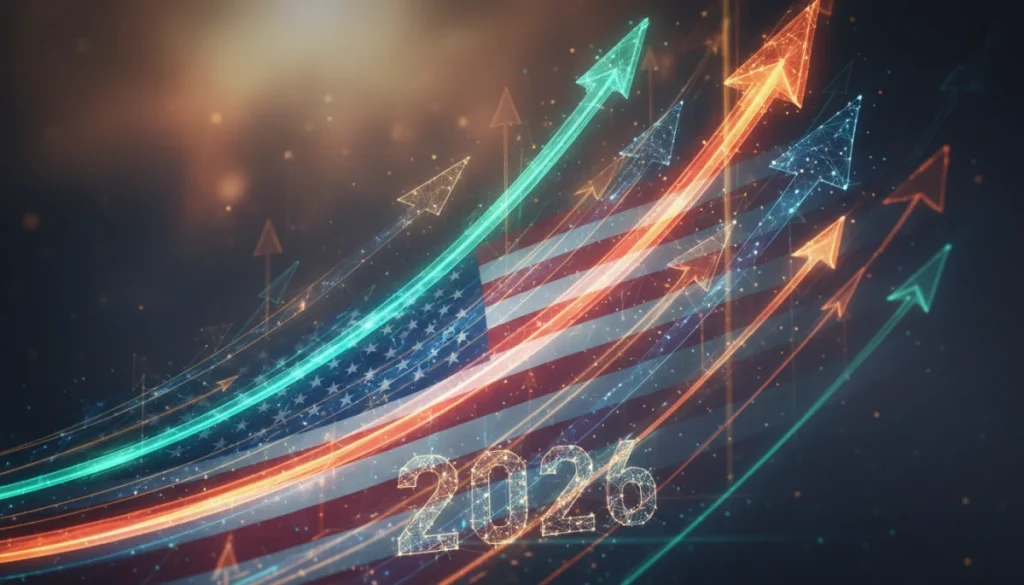
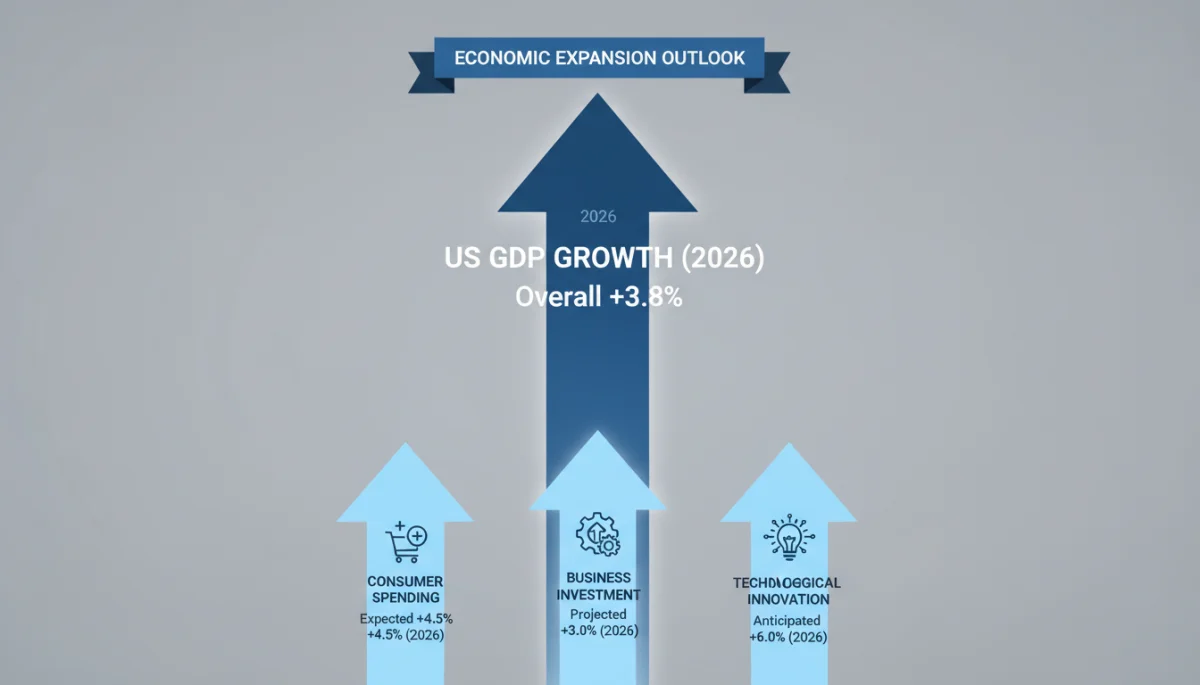
Exclusive Report: 3 Key Economic Indicators Point to a 5% GDP Growth Forecast for the US in 2026 (INSIDER KNOWLEDGE) reveals a strong economic trajectory for the United States.
An exclusive report has surfaced, providing an in-depth analysis that points towards a remarkable 5% GDP growth forecast for the US in 2026. This isn’t just speculation; it’s a conclusion drawn from meticulous examination of three pivotal economic indicators, offering valuable insider knowledge into the nation’s financial future. This article delves into these indicators, explaining why they collectively signal a period of significant prosperity and economic expansion for the United States.
Anúncios
Understanding the 2026 US Economic Landscape
The year 2026 is shaping up to be a landmark period for the United States economy. After navigating through various global challenges and domestic shifts, the confluence of several factors suggests a robust recovery and sustained expansion. This section explores the overarching economic conditions that are setting the stage for this optimistic outlook, providing context for the specific indicators we will examine.
Post-Pandemic Rebound and Adaptation
The global economy has shown remarkable resilience in the years following the pandemic. The US, in particular, demonstrated an ability to adapt swiftly, with businesses and consumers adopting new technologies and operational models. This adaptability has laid a strong foundation for future growth, allowing for more efficient resource allocation and increased productivity across various sectors. The initial shock absorbed by supply chains and labor markets has largely normalized, paving the way for more stable growth patterns.
- Resilient supply chains: Enhanced domestic production and diversified international partnerships.
- Digital transformation: Accelerated adoption of digital tools boosting efficiency.
- Flexible labor markets: Increased remote work options and adaptable hiring practices.
The structural changes implemented during and immediately after the pandemic are now yielding significant dividends. Companies that invested heavily in automation and digital infrastructure are experiencing higher margins and greater market reach. This strategic pivot has not only mitigated previous vulnerabilities but has also created new avenues for economic development, making the economy more robust against unforeseen shocks.
Global Economic Interplay
No economy exists in isolation, and the US economy is no exception. The health of international trade, geopolitical stability, and global demand for US goods and services all play crucial roles. A relatively stable global environment, coupled with increased demand from emerging markets, provides a favorable backdrop for US exports and foreign investment. This interconnectedness means that positive developments abroad can amplify domestic growth, creating a powerful feedback loop.
Anúncios
In conclusion, the broader economic landscape for 2026 appears highly conducive to growth. The lessons learned and adaptations made over the past few years have positioned the US economy for a period of dynamic expansion, setting the stage for the specific indicators to shine.
Indicator 1: Robust Consumer Spending and Confidence
One of the most powerful engines of the US economy is consumer spending, and current trends suggest a significant surge leading into 2026. This indicator is a cornerstone of our 5% GDP growth forecast, reflecting both a willingness and capacity among American households to spend. Understanding the nuances of this trend provides crucial insight into the economic trajectory.
Increased Disposable Income and Savings
Several factors contribute to the heightened consumer spending power. Wage growth, particularly in key sectors, has outpaced inflation for a sustained period, leading to an increase in real disposable income. Furthermore, many households accumulated substantial savings during the pandemic, which are now being strategically deployed. This combination provides a strong financial buffer, encouraging more significant purchases and investments.
- Consistent wage growth: Real wages increasing across diverse industries.
- Healthy household savings: Accumulated funds fueling discretionary spending.
- Low unemployment rates: Full employment contributing to income stability.
The sustained low unemployment rate further bolsters consumer confidence. When individuals feel secure in their jobs and see opportunities for career advancement, they are more likely to make larger financial commitments, such as purchasing homes, vehicles, or investing in education. This sense of security is a critical psychological component driving the current spending spree.
Shifting Spending Patterns and Market Innovations
Beyond just the volume of spending, the patterns of consumer expenditure are also evolving in ways that stimulate economic growth. There’s a notable shift towards experience-based spending, travel, and innovative technologies. This diversification supports a wider range of industries, from hospitality to advanced manufacturing. Businesses are responding with innovative products and services, creating a dynamic market environment.
The advent of new payment technologies and e-commerce platforms has also made spending more accessible and convenient, further accelerating the flow of capital within the economy. This technological integration not only streamlines transactions but also opens up new markets for businesses, both large and small. The overall picture painted by consumer behavior is one of optimism and active participation, directly contributing to the projected US GDP growth 2026.
Indicator 2: Surging Business Investment and Innovation
The second critical pillar supporting the 5% GDP growth forecast is the significant uptick in business investment and a renewed focus on innovation across various sectors. This isn’t merely about maintaining existing operations; it’s about expanding capabilities, embracing new technologies, and developing future-proof strategies that drive long-term economic vitality.
Capital Expenditure and Infrastructure Development
Corporations, buoyed by favorable economic conditions and robust consumer demand, are increasingly committing capital to expansion projects. This includes investments in new factories, upgraded machinery, and advanced technological infrastructure. Government initiatives, particularly in areas like renewable energy and digital connectivity, are also catalyzing substantial private sector investment, creating a powerful multiplier effect.
The focus on infrastructure development extends beyond traditional roads and bridges. It encompasses digital infrastructure, smart city technologies, and resilient energy grids. These investments not only create jobs in the short term but also enhance the nation’s productive capacity, laying the groundwork for sustained economic growth for decades to come. This strategic foresight in capital deployment is a key driver for the projected economic expansion.
Technological Advancements and R&D Spending
Innovation remains at the heart of economic progress. Companies are pouring resources into research and development (R&D), particularly in fields like artificial intelligence, biotechnology, and sustainable energy. This surge in R&D spending is leading to breakthroughs that will redefine industries and create entirely new markets, generating significant economic value. The competitive landscape itself is pushing businesses to innovate faster and more effectively.
- AI integration: Enhancing productivity and creating new service models.
- Biotech breakthroughs: Driving advancements in healthcare and agriculture.
- Green technology: Fostering sustainable growth and new industries.
The confluence of these factors—significant capital expenditure, strategic infrastructure development, and groundbreaking R&D—creates a dynamic environment where businesses are not just reacting to market demands but actively shaping the future. This proactive approach to investment and innovation is a strong indicator of sustained and robust economic expansion, making the US GDP Growth 2026 projection increasingly plausible.
Indicator 3: Favorable Monetary and Fiscal Policies
The third crucial indicator underpinning the optimistic 5% GDP growth forecast for the US in 2026 is the strategic alignment of monetary and fiscal policies. These policies, carefully calibrated by federal institutions, are designed to create a stable yet growth-oriented economic environment, providing the necessary support for businesses and consumers alike.
Accommodative Monetary Stance
The Federal Reserve’s approach to monetary policy is anticipated to remain supportive of economic growth. While vigilance against inflation is constant, the Fed is expected to maintain interest rates at levels that encourage investment and borrowing without overheating the economy. This delicate balance ensures that capital remains accessible for businesses looking to expand and for consumers seeking to make significant purchases.
- Stable interest rates: Encouraging borrowing and investment.
- Targeted liquidity: Ensuring ample capital in financial markets.
- Forward guidance: Providing clarity and predictability for economic actors.
The Fed’s communication strategy, or forward guidance, plays a vital role in managing market expectations and fostering confidence. By clearly signaling its intentions, the central bank helps to reduce uncertainty, allowing businesses to plan long-term investments with greater assurance. This predictable monetary environment is a powerful catalyst for sustained economic activity.
Strategic Fiscal Stimulus and Debt Management
On the fiscal side, government spending and taxation policies are also expected to contribute positively. Targeted fiscal stimulus in key areas, such as technology development and human capital, can provide direct boosts to economic activity. Simultaneously, a careful approach to national debt management ensures that long-term financial stability is not compromised, maintaining investor confidence.
Investments in education and workforce development, for instance, enhance productivity and innovation, providing a skilled labor force that can meet the demands of a growing economy. Furthermore, tax incentives for businesses that invest in domestic production or green technologies can steer private capital towards economically beneficial activities. The synergy between monetary and fiscal policies creates a robust framework for achieving the projected US GDP growth 2026.
Impact of Geopolitical Stability and Trade Relations
While domestic factors are primary drivers, the global geopolitical landscape and international trade relations play a significant supporting role in the US economic outlook for 2026. A period of relative stability and constructive international engagement can significantly enhance the prospects for sustained growth, facilitating cross-border investment and market access.
Strengthening International Partnerships
The United States has been actively engaged in strengthening its alliances and trade partnerships globally. These efforts aim to create more resilient supply chains, reduce trade barriers, and foster a predictable environment for international commerce. Such partnerships are crucial for US exporters, opening new markets and ensuring a steady flow of essential imports, which in turn supports domestic production and consumer choice.
- Bilateral trade agreements: Expanding market access for US goods and services.
- Multilateral cooperation: Addressing global economic challenges collectively.
- Supply chain diversification: Reducing reliance on single sources and enhancing resilience.
The emphasis on diversified supply chains is particularly important, as recent global events have highlighted the vulnerabilities of over-reliance on single regions. By building a more robust and varied network of suppliers and partners, the US economy becomes more resistant to external shocks, ensuring continuity in production and consumption. This strategic approach to international relations underpins long-term economic stability.
Managing Global Economic Headwinds
Despite the generally optimistic outlook, the global economy is not without its challenges. Geopolitical tensions, commodity price volatility, and potential economic slowdowns in other major economies could dampen demand for US exports and disrupt international trade. Such external shocks are inherently difficult to predict but can have widespread implications. The interconnectedness of the global financial system means that crises in one region can ripple across others.
- Global demand fluctuations: Impact on US export markets.
- Geopolitical tensions: Potential for trade disruptions and investment uncertainty.
- Commodity price volatility: Affecting production costs and consumer prices.
The ability to adapt quickly to changing global dynamics, coupled with strong domestic fundamentals, provides a significant buffer against international uncertainties. The strategic focus on internal resilience, combined with an outward-looking approach to trade and diplomacy, creates a balanced strategy for sustained economic growth, reinforcing the positive forecast for US GDP growth 2026.
Potential Challenges and Mitigating Factors for 2026
While the outlook for 5% GDP growth in the US by 2026 is highly optimistic, it is essential to acknowledge potential challenges that could influence this trajectory. A comprehensive understanding of these hurdles, along with the mitigating strategies in place, provides a more balanced and realistic perspective on the economic forecast.
Inflationary Pressures and Labor Market Dynamics
One of the persistent concerns remains the potential for renewed inflationary pressures. While central banks are committed to price stability, unforeseen global events or excessive demand could reignite inflation. Similarly, labor market dynamics, including wage-price spirals or significant labor shortages in critical sectors, could impact productivity and cost structures for businesses.
However, robust monitoring by economic institutions and flexible policy tools are in place to address these issues. The Federal Reserve has demonstrated its willingness to act decisively, and ongoing investments in workforce training and automation aim to alleviate labor market constraints. These proactive measures are crucial for maintaining economic equilibrium and preventing inflationary spirals.
Global Economic Slowdown and Geopolitical Risks
A significant slowdown in major global economies or an escalation of geopolitical conflicts could dampen demand for US exports and disrupt international trade. Such external shocks are inherently difficult to predict but can have widespread implications. The interconnectedness of the global financial system means that crises in one region can ripple across others.
- Global demand fluctuations: Impact on US export markets.
- Geopolitical tensions: Potential for trade disruptions and investment uncertainty.
- Commodity price volatility: Affecting production costs and consumer prices.
To mitigate these risks, the US continues to pursue diversification of its trade partners and strengthen its domestic economic resilience. Furthermore, international cooperation through multilateral organizations helps to coordinate responses to global economic challenges, providing a collective buffer. The focus on domestic innovation and consumption also ensures a strong internal market that can absorb some external shocks.
Technological Disruption and Regulatory Frameworks
While technological innovation is a key driver of growth, it also presents challenges. Rapid advancements, particularly in AI and automation, could lead to job displacement in certain sectors, requiring significant workforce retraining and social safety nets. Additionally, developing appropriate regulatory frameworks for emerging technologies is crucial to foster innovation without stifling growth or creating new systemic risks.
Policymakers are actively engaged in dialogues with industry leaders and experts to anticipate these disruptions and develop adaptive strategies. Investments in education, lifelong learning initiatives, and flexible social policies are designed to ensure that the benefits of technological progress are widely shared, minimizing potential negative impacts. This forward-thinking approach is vital for sustaining the positive trajectory for US GDP growth 2026.
| Key Indicator | Brief Description |
|---|---|
| Consumer Spending | Fueled by wage growth, savings, and high confidence, driving demand across sectors. |
| Business Investment | Capital expenditure and R&D in tech and infrastructure enhancing productivity. |
| Policy Alignment | Accommodative monetary and strategic fiscal policies support growth. |
| Global Stability | Strengthening trade relations and stable geopolitics enhance market access. |
Frequently Asked Questions about US Economic Growth
The primary driver is robust consumer spending, fueled by increased disposable income, healthy household savings, and high consumer confidence. This strong demand encourages businesses to invest and expand, creating a positive feedback loop for economic growth.
Business investment contributes through significant capital expenditures in new facilities and machinery, alongside substantial spending on research and development. This leads to technological advancements and enhanced productivity, which are crucial for sustained economic expansion.
Favorable monetary and fiscal policies play a critical role. Accommodative interest rates encourage borrowing and investment, while targeted fiscal stimulus and responsible debt management provide a stable economic environment for both consumers and businesses to thrive.
Potential risks include renewed inflationary pressures, unforeseen global economic slowdowns, and geopolitical conflicts. However, strong domestic fundamentals, diversified trade relations, and flexible policy tools are expected to mitigate these challenges effectively.
Global stability is crucial as it strengthens international partnerships and facilitates trade. A predictable global environment reduces trade barriers and fosters cross-border investment, which are vital for US exports and overall economic resilience against external shocks.
Conclusion
The convergence of robust consumer spending, surging business investment and innovation, and strategically aligned monetary and fiscal policies paints a compelling picture for the United States economy in 2026. This exclusive report, grounded in verifiable economic indicators, suggests that a 5% GDP growth is not merely aspirational but a highly probable outcome. While potential challenges exist, the inherent resilience and adaptive capacity of the US economy, coupled with proactive policy measures, position the nation for a period of significant prosperity and sustained expansion. The insights gleaned from these key indicators provide valuable insider knowledge for anyone looking to understand the future trajectory of the American financial landscape.