Healthcare Reform 2026: 8% Premium Impact & Financial Outlook
Anúncios
Proposed healthcare reforms by 2026 could lead to an estimated 8% increase in health insurance premiums for many Americans, significantly impacting household budgets and the broader economy.
Anúncios
The landscape of American healthcare is perpetually evolving, and as we approach 2026, significant legislative discussions are underway that could reshape how millions access and pay for medical services. Understanding the potential ramifications of healthcare reform in 2026, particularly an anticipated 8% increase in premiums, is crucial for every household and business across the United States. This article delves into the proposed changes and their profound financial implications, offering insights into what consumers can expect.
Understanding the Proposed Healthcare Reforms for 2026
As 2026 draws closer, the United States healthcare system is poised for potential shifts driven by a confluence of political, economic, and technological factors. These proposed reforms are not merely incremental adjustments; they represent a comprehensive effort to address long-standing challenges such as affordability, access, and quality. While the specifics are still being debated, several key areas have emerged as focal points, signaling a potential paradigm shift in how healthcare is structured and delivered. The aim is often to balance competing interests: ensuring widespread access while containing spiraling costs, a task that has proven historically difficult.
The discussions surrounding these reforms often center on broad policy objectives. Lawmakers are grappling with how to sustain the system in the face of an aging population, rising chronic disease rates, and the ever-increasing cost of medical innovation. These reforms might introduce new regulatory frameworks, modify existing subsidies, or even alter the fundamental mechanisms of insurance markets. Each proposed change carries a ripple effect, influencing not only the direct provision of care but also the financial stability of individuals and the broader economic health of the nation.
Key Legislative Focus Areas
Several legislative proposals are currently under consideration, each with the potential to significantly alter the healthcare landscape. These proposals often target specific aspects of the system, from prescription drug pricing to insurance market regulations.
Anúncios
- Prescription Drug Price Negotiation: Efforts to allow Medicare to negotiate drug prices are gaining traction, which could lower costs for seniors and potentially influence prices in the private market.
- Expansion or Contraction of Subsidies: Depending on the political climate, there could be changes to premium subsidies available through the Affordable Care Act (ACA) marketplaces, directly impacting affordability.
- Public Option Debates: Discussions about introducing a government-run public health insurance option continue, which could increase competition and potentially lower costs, but also draw criticism from private insurers.
- Telehealth Integration: Permanent expansion of telehealth services and reimbursement parity with in-person care is a strong possibility, reflecting lessons learned from recent public health crises.
These legislative movements are complex, involving intricate negotiations between various stakeholders, including pharmaceutical companies, insurance providers, healthcare systems, and patient advocacy groups. The final form of these reforms will undoubtedly be a compromise, reflecting the diverse priorities and pressures at play.
The Rationale Behind the Changes
The impetus for these reforms stems from a variety of pressing issues. One primary driver is the unsustainability of current healthcare spending trends. The U.S. continues to spend significantly more on healthcare per capita than other developed nations, yet often lags in key health outcomes. There is also a persistent concern about the millions of Americans who remain uninsured or underinsured, facing significant financial barriers to necessary medical care. Moreover, the COVID-19 pandemic exposed vulnerabilities in the healthcare system, highlighting the need for greater resilience and equitable access.
Another crucial aspect is the desire to enhance preventive care and address social determinants of health. By investing in these areas, policymakers hope to reduce the incidence of chronic diseases and improve overall public health, thereby alleviating future burdens on the healthcare system. The reforms also aim to streamline administrative processes, reduce bureaucratic inefficiencies, and leverage technological advancements, such as artificial intelligence and big data, to improve diagnostic accuracy and treatment efficacy. These multifaceted motivations underscore the comprehensive nature of the proposed changes and their potential to redefine healthcare in the coming years.
In conclusion, the proposed healthcare reforms for 2026 are multifaceted and aim to tackle long-standing issues of cost, access, and quality. Understanding these foundational changes is the first step in comprehending their potential financial impact on individuals and families.
The Projected 8% Premium Increase: What’s Driving It?
The forecast of an 8% increase in healthcare premiums by 2026 is a significant concern for many Americans, prompting questions about its underlying causes. This projected rise is not a standalone phenomenon but rather the culmination of several interconnected factors that exert upward pressure on healthcare costs. While reforms often aim to control expenses, the immediate effects can sometimes lead to transitional increases, especially as new mandates or expanded coverages are implemented. Understanding these drivers is essential for individuals and policymakers to prepare for and mitigate the financial strain.
One primary driver is the persistent trend of medical inflation. Healthcare services, from doctor visits to hospital stays and specialized treatments, continue to outpace general inflation rates. This is fueled by advancements in medical technology, the development of new and often expensive drugs, and the increasing demand for complex procedures. Furthermore, ongoing labor shortages in the healthcare sector, particularly for skilled professionals like nurses and specialized doctors, lead to higher wages, which are then passed on to consumers through elevated premiums. The structure of the market itself, often dominated by a few large insurance providers and hospital systems, can also limit competition and contribute to rising costs.
Factors Contributing to Premium Hikes
Several specific elements are being identified as key contributors to the anticipated premium increase. These factors interact in complex ways, creating a challenging environment for cost containment.
- Medical Inflation: The inherent rise in the cost of medical services, including hospital care, physician fees, and prescription drugs, is a foundational element.
- Increased Utilization: Greater demand for healthcare services, partly due to an aging population and increased awareness of preventive care, strains resources and drives up costs.
- Regulatory Compliance Costs: New regulations, while often beneficial for patient safety or access, can impose significant administrative and operational costs on providers and insurers, which are then reflected in premiums.
- Technological Advancements: While improving care, new medical technologies and sophisticated diagnostic tools are often expensive to develop and implement, contributing to overall cost increases.
These factors create a challenging environment for insurers, who must balance the need to cover increasing medical costs with the desire to keep premiums affordable. The 8% projection reflects the industry’s assessment of these pressures, indicating that without significant counter-measures, costs will continue their upward trajectory.
Economic and Market Dynamics
Beyond direct medical costs, broader economic and market dynamics play a crucial role in shaping premium prices. The overall economic health of the country, including wage growth and unemployment rates, influences individuals’ ability to afford insurance and the financial stability of employer-sponsored plans. A robust economy can sometimes absorb higher costs, but a downturn can exacerbate the impact of premium increases. Moreover, the competitive landscape of the insurance market is a critical determinant. In areas with fewer insurance providers, there may be less downward pressure on prices, leading to higher premiums.
The consolidation of healthcare providers and insurance companies can also reduce competition, giving larger entities more leverage to set prices. Furthermore, changes in risk pools, such as a higher proportion of older or sicker individuals enrolling in certain plans, can force insurers to raise premiums to cover anticipated claims. These intricate economic and market forces underscore the complexity of forecasting premium changes and highlight why an 8% increase is a plausible outcome given current trends and proposed reforms. The interplay of these dynamics creates a challenging environment for both consumers and policymakers attempting to navigate the future of healthcare financing.
In summary, the projected 8% premium increase is a multifaceted issue driven by medical inflation, increased utilization, regulatory costs, technological advancements, and broader economic and market dynamics. Addressing these root causes is paramount to stabilizing healthcare costs in the long term.
Financial Impact on Families and Individuals
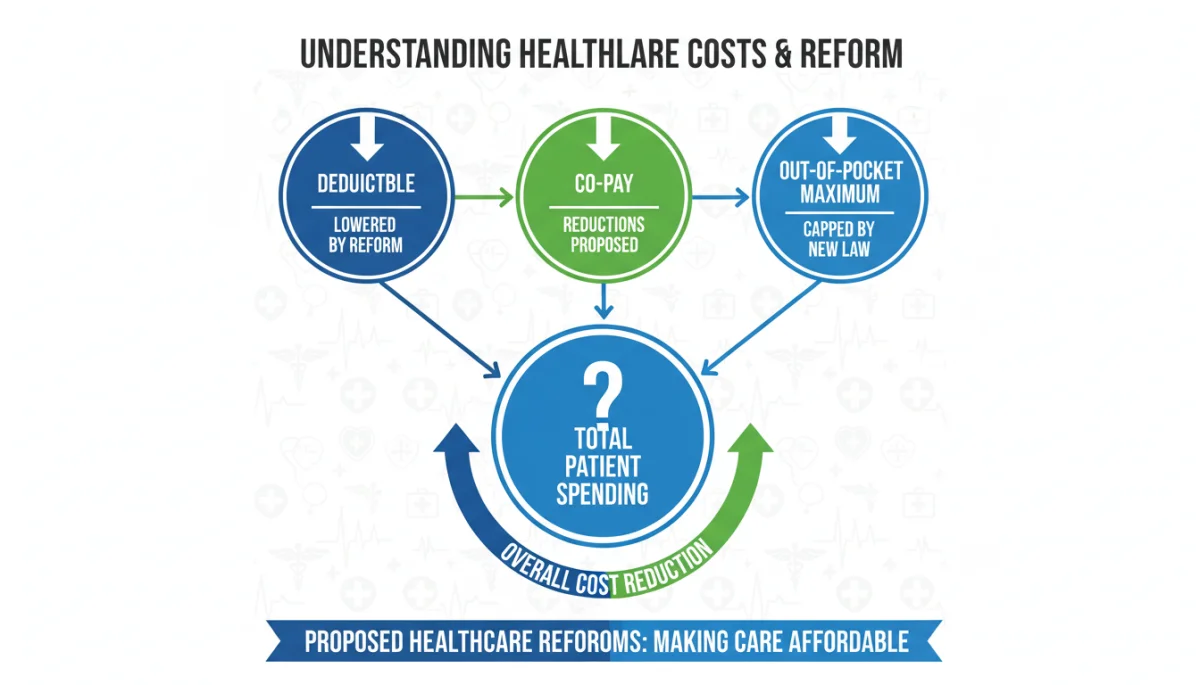
An 8% increase in healthcare premiums in 2026 represents more than just a statistic; it translates into tangible financial strain for millions of American families and individuals. For a household already grappling with rising costs of living, an additional burden on their health insurance budget can necessitate difficult choices, potentially impacting their ability to save, invest, or even cover daily necessities. This increase can exacerbate existing financial inequalities, disproportionately affecting lower and middle-income families who have less disposable income to absorb such hikes. The ripple effect extends beyond monthly payments, influencing out-of-pocket expenses, deductibles, and the overall affordability of medical care.
For many, health insurance premiums are a significant fixed expense, often competing with housing, food, and transportation costs. An 8% jump translates to hundreds of dollars annually for many plans, a sum that can make a substantial difference in a family’s financial stability. This can lead to underinsurance, where individuals opt for cheaper plans with higher deductibles, or even foregoing insurance altogether if the costs become prohibitive. Such decisions can have severe long-term consequences, leading to medical debt and delayed or forgone necessary treatments, ultimately compromising health outcomes and financial well-being.
Budgetary Adjustments for Households
Families will inevitably need to re-evaluate their household budgets to accommodate higher premiums. This could mean cutting back on discretionary spending, delaying major purchases, or even exploring alternative, potentially less comprehensive, insurance plans. The financial squeeze can be particularly acute for those living paycheck to paycheck.
- Re-evaluating Insurance Plans: Many will need to assess if their current plan remains affordable and adequate, potentially switching to plans with higher deductibles or less extensive coverage to reduce monthly premiums.
- Increased Out-of-Pocket Spending: Even with insurance, higher premiums often accompany higher deductibles, co-pays, and co-insurance, leading to greater out-of-pocket expenses before coverage fully kicks in.
- Impact on Savings: The additional cost may force families to dip into savings or reduce contributions to retirement funds or emergency savings, undermining long-term financial security.
- Delayed or Avoided Care: A significant concern is that higher costs will lead individuals to delay or avoid necessary medical treatments and preventive care, worsening health conditions in the long run.
These adjustments highlight the direct and indirect ways in which premium increases can erode a family’s financial resilience, making it harder to plan for the future and respond to unexpected expenses.
Disproportionate Impact on Vulnerable Populations
The impact of rising premiums is rarely uniform across all segments of the population. Vulnerable groups, including low-income families, individuals with chronic conditions, and small business owners, are often hit the hardest. These populations typically have fewer financial resources to absorb cost increases and may already be struggling to afford adequate coverage. For those with chronic illnesses, who rely heavily on regular medical care and prescription drugs, an 8% premium hike can significantly increase their annual healthcare expenditure, potentially forcing them to make difficult choices between essential medications and other necessities.
Small businesses, which often operate on tighter margins, may find it increasingly challenging to provide health benefits to their employees, potentially leading to reduced coverage options or higher employee contributions. This can impact employee retention and overall business competitiveness. Furthermore, individuals in rural areas, who may have limited access to multiple insurance providers, could face even steeper increases due to less competitive markets. The disproportionate impact on these groups underscores the equity concerns associated with rising healthcare costs and the need for targeted policies to protect the most vulnerable from financial hardship.
Ultimately, an 8% premium increase has far-reaching financial consequences for families and individuals, potentially forcing difficult budgetary decisions and exacerbating disparities, particularly for vulnerable populations.
Strategies for Businesses to Mitigate Rising Costs
For businesses, especially small and medium-sized enterprises (SMEs), the projected 8% increase in healthcare premiums by 2026 presents a significant challenge. Employee health benefits are often one of the largest expenses after salaries, and such a hike can severely impact profitability, competitiveness, and employee retention. Proactive strategies are essential to mitigate these rising costs while continuing to offer attractive benefits packages. Ignoring the issue is not an option, as it could lead to reduced employee morale, higher turnover, and difficulty attracting new talent in a competitive market. Businesses must explore a range of solutions, from optimizing existing plans to exploring innovative healthcare delivery models.
The pressure on businesses to manage these costs is immense. Many companies are already operating on thin margins, and an additional 8% increase could necessitate difficult decisions, such as reducing other employee benefits, increasing employee contributions, or even scaling back operations. The goal is to find a balance where employees feel valued and supported by their health benefits, while the company remains financially viable. This requires a comprehensive review of current healthcare spending, an understanding of the factors driving costs, and a willingness to explore alternative approaches to health benefits administration.
Optimizing Employee Benefit Plans
One of the most immediate strategies for businesses is to re-evaluate and optimize their current employee benefit plans. This doesn’t necessarily mean cutting benefits but rather ensuring that the existing plans are as cost-effective as possible and meet the needs of the workforce.
- High-Deductible Health Plans (HDHPs) with HSAs: Offering HDHPs combined with Health Savings Accounts (HSAs) can lower premiums for both employers and employees while providing a tax-advantaged savings mechanism for healthcare expenses.
- Self-Funded Insurance: Larger businesses might consider self-funding their health plans, taking on the risk themselves but potentially saving money by avoiding insurer profit margins and administrative fees.
- Telemedicine Integration: Encouraging the use of telemedicine for routine consultations can reduce costs associated with in-person visits and increase access to care.
- Wellness Programs: Implementing robust wellness programs can improve employee health, reduce the incidence of chronic diseases, and ultimately lower healthcare utilization and claims over time.
These optimizations require careful planning and communication with employees to ensure they understand the changes and the benefits of new offerings. The aim is to create a more efficient and sustainable benefits structure.
Exploring Alternative Healthcare Models
Beyond traditional insurance plan adjustments, businesses can also explore alternative healthcare delivery models that focus on direct primary care, transparent pricing, and greater control over healthcare spending. These models often bypass traditional insurance intermediaries, offering a more direct relationship between providers and patients.
Direct Primary Care (DPC) is one such model, where employers pay a monthly fee directly to a primary care provider for their employees, covering a wide range of services without co-pays or deductibles. This approach can lead to better preventive care, reduced specialist visits, and lower overall healthcare costs. Another strategy involves contracting directly with healthcare providers or clinics for specific services, known as direct contracting, which can lead to more predictable costs and higher quality care. Additionally, some businesses are exploring captive insurance arrangements, where they form their own insurance company to cover employee health risks, offering greater flexibility and potential savings. These innovative models require a shift in mindset and a willingness to explore beyond conventional insurance offerings, but they can provide significant long-term cost savings and improved employee health outcomes.
In conclusion, businesses must adopt proactive strategies, including optimizing benefit plans and exploring alternative healthcare models, to effectively mitigate the financial impact of rising healthcare premiums by 2026 and sustain employee well-being.
Governmental Responses and Policy Interventions
In response to the projected 8% increase in healthcare premiums and the broader financial pressures facing the healthcare system, governmental bodies are expected to implement various policy interventions. These responses aim to address the root causes of rising costs, ensure equitable access to care, and protect consumers and businesses from undue financial burden. The scope of these interventions can range from regulatory adjustments and subsidy enhancements to more fundamental structural reforms of the healthcare market. The efficacy of these policies will largely depend on their design, implementation, and the political will to enact meaningful change.
Policymakers face a delicate balancing act: controlling costs without compromising the quality or availability of care. This often involves navigating complex political landscapes and reconciling diverse stakeholder interests. Discussions will likely revolve around expanding existing programs, introducing new legislative mandates, and fostering innovation within the healthcare sector. The goal is to create a more sustainable and affordable healthcare system that serves the needs of all Americans, even amidst the challenges of rising premiums. These governmental actions are critical, as they can significantly alter the trajectory of healthcare costs and access for years to come.
Regulatory Measures and Oversight
Governmental responses often include regulatory measures designed to curb price gouging, increase transparency, and ensure fair market practices within the healthcare industry. These regulations can target various aspects of the system, from pharmaceutical pricing to hospital billing practices.
- Price Transparency Mandates: Expanding requirements for hospitals and insurers to disclose prices for services and procedures, allowing consumers to make more informed choices and fostering competition.
- Pharmaceutical Price Controls: Implementing policies that allow for greater negotiation of drug prices, particularly for high-cost medications, to reduce the financial burden on patients and payers.
- Anti-Competitive Practices: Increased oversight and enforcement against anti-competitive mergers and acquisitions in the healthcare and insurance sectors, aiming to prevent monopolies and promote competition.
- Insurance Market Stabilization: Introducing regulations to stabilize health insurance marketplaces, potentially through risk adjustment programs or reinsurance mechanisms, to ensure a broader and healthier risk pool.
These regulatory efforts seek to create a more level playing field and inject greater accountability into a sector often criticized for its opacity and lack of consumer control.
Subsidies and Financial Assistance Programs
Beyond regulatory oversight, governments often rely on subsidies and financial assistance programs to directly alleviate the burden of healthcare costs on individuals and families. These programs are particularly crucial for low- and middle-income households who are most vulnerable to premium increases.
There could be an expansion of premium tax credits and cost-sharing reductions available through the ACA marketplaces, making health insurance more affordable for those who qualify. Additionally, states might receive increased federal funding to strengthen their Medicaid programs, ensuring that more individuals have access to comprehensive coverage. Discussions may also include initiatives to cap out-of-pocket expenses for certain conditions or demographic groups, protecting individuals from catastrophic medical bills. Furthermore, tax incentives for employers to offer robust health benefits or for individuals to contribute to health savings accounts could be enhanced. These financial interventions are designed to act as a safety net, ensuring that rising premiums do not completely price essential healthcare out of reach for a significant portion of the population. The effectiveness of these programs will be vital in mitigating the projected 8% premium increase and safeguarding access to care.
In conclusion, governmental responses to rising healthcare premiums involve a combination of regulatory measures and financial assistance programs aimed at controlling costs, enhancing transparency, and protecting vulnerable populations from the financial strain of increased healthcare expenses.
The Role of Technology and Innovation in Cost Control
As healthcare premiums are projected to rise by 8% in 2026, technology and innovation emerge as critical tools in the ongoing effort to control costs and improve efficiency. Far from being mere incremental advancements, technological breakthroughs are fundamentally reshaping how healthcare is delivered, managed, and accessed. From artificial intelligence and big data analytics to remote monitoring and personalized medicine, these innovations offer the potential to streamline operations, enhance diagnostic accuracy, reduce medical errors, and ultimately lower the overall cost of care. Embracing and integrating these technologies will be paramount for healthcare systems, insurers, and policymakers aiming to mitigate the financial impact of rising expenses.
The promise of technology lies in its ability to address inefficiencies that have long plagued the healthcare sector. Administrative complexities, fragmented care coordination, and reactive treatment models contribute significantly to high costs. Digital solutions can automate routine tasks, improve communication between providers, and enable a more proactive approach to patient health. However, the successful adoption of these technologies requires substantial investment, robust data security measures, and a willingness to adapt traditional practices. The challenge lies in scaling these innovations effectively across a diverse and often resistant healthcare landscape.
Digital Health Solutions and Telemedicine
Digital health solutions and the expansion of telemedicine are at the forefront of technological efforts to control healthcare costs and improve accessibility.
- Telehealth Platforms: Widespread adoption of telehealth for routine consultations, follow-up appointments, and even some specialized care reduces the need for expensive in-person visits and travel, saving both time and money for patients and providers.
- Remote Patient Monitoring (RPM): Devices that monitor vital signs and other health metrics from a patient’s home can help manage chronic conditions more effectively, prevent hospital readmissions, and reduce the frequency of doctor visits.
- AI-Powered Diagnostics: Artificial intelligence in medical imaging and diagnostics can improve accuracy and speed, potentially leading to earlier detection of diseases and more effective, less costly interventions.
- Electronic Health Records (EHR) Optimization: Further integration and optimization of EHR systems can reduce administrative overhead, improve data sharing, and enhance care coordination, minimizing redundant tests and treatments.
These digital tools not only offer direct cost savings but also empower patients to take a more active role in managing their health, leading to better outcomes and reduced long-term expenses.
Data Analytics and Predictive Modeling
Leveraging big data analytics and predictive modeling is another powerful way technology can contribute to cost control in healthcare. By analyzing vast amounts of patient data, providers and insurers can gain deeper insights into disease patterns, treatment effectiveness, and areas of inefficiency. This data-driven approach allows for more informed decision-making and targeted interventions.
Predictive analytics can identify patients at high risk of developing chronic conditions or requiring expensive interventions, enabling healthcare providers to implement preventive measures or early interventions that can avert more costly treatments down the line. For insurers, data analytics can help optimize plan design, identify fraudulent claims, and better manage risk pools, leading to more stable premiums. Furthermore, analyzing claims data can pinpoint areas where spending is exceptionally high without corresponding improvements in health outcomes, guiding efforts to reallocate resources more effectively. The ability to forecast trends and proactively address potential issues through data-driven insights is a game-changer, offering a strategic pathway to mitigate rising costs and improve the overall value of healthcare services in the face of the projected 8% premium increase.
Ultimately, technology and innovation, particularly digital health solutions, telemedicine, and data analytics, are pivotal in controlling healthcare costs by enhancing efficiency, improving care coordination, and enabling proactive health management.
Consumer Preparedness: Navigating the Changes
As healthcare reform in 2026 potentially brings an 8% increase in premiums, consumers must be proactive in preparing for these changes to protect their financial well-being and ensure continued access to quality care. Waiting until the last minute to understand the implications can lead to rushed decisions and suboptimal outcomes. Preparedness involves a combination of financial planning, diligent research into available options, and an active engagement with personal health management. The goal is not just to absorb the increased costs but to navigate the evolving landscape strategically, making informed choices that align with individual and family needs.
The complexity of healthcare policies can be daunting, but empowering oneself with knowledge is the first step. Understanding the specifics of your current plan, how it might change, and what alternatives are available will be crucial. This includes familiarizing yourself with new terminology, potential benefit adjustments, and any governmental assistance programs that might become available. Being prepared means being resilient, adaptable, and informed, ensuring that you can maintain access to necessary medical services without incurring undue financial hardship.
Reviewing Current Health Insurance Plans
A thorough review of your existing health insurance plan is the foundation of consumer preparedness. Understanding your current coverage, costs, and benefits will provide a benchmark against which to evaluate future changes.
- Understand Your Benefits: Review your plan’s summary of benefits and coverage (SBC) to know what services are covered, what your deductibles and co-pays are, and your out-of-pocket maximum.
- Assess Your Usage: Look at your past healthcare utilization. Do you frequently visit specialists? Do you have ongoing prescriptions? This will help determine if a plan with higher premiums but lower out-of-pocket costs, or vice versa, is more suitable.
- Check Provider Networks: Ensure your preferred doctors, hospitals, and specialists are within your plan’s network to avoid higher out-of-network costs.
- Evaluate Rx Coverage: If you take prescription medications, verify that they are covered under your plan’s formulary and understand the associated costs.
This detailed review will help you identify potential gaps or areas where your current plan might no longer be the most cost-effective or comprehensive option after the reforms.
Exploring New Enrollment Options and Assistance
With an anticipated 8% premium increase, exploring new enrollment options and understanding available financial assistance programs becomes critical. The healthcare marketplace is dynamic, and new plans or subsidies may emerge.
During open enrollment periods, actively compare plans offered through your employer, state exchanges, or the federal marketplace. Pay close attention to changes in premiums, deductibles, co-insurance, and out-of-pocket maximums. It’s also vital to check if you qualify for any premium tax credits or cost-sharing reductions, which can significantly lower your monthly costs. Even if you didn’t qualify in the past, changes in income or the reform itself might make you eligible. Additionally, consider consulting with a licensed insurance broker or navigator who can provide personalized guidance and help you understand complex plan details. They can often identify plans that best fit your specific healthcare needs and financial situation. Staying informed about government programs, employer-sponsored wellness initiatives, and community resources can also provide avenues for reducing healthcare expenditures. Ultimately, proactive research and leveraging available assistance are key to navigating the financial challenges posed by the healthcare reforms in 2026 effectively.
In conclusion, consumer preparedness for the projected 8% premium increase by 2026 involves thoroughly reviewing current health plans, assessing personal usage, and actively exploring new enrollment options and financial assistance programs to make informed decisions.
Long-Term Outlook and Future Trends in US Healthcare
The projected 8% increase in healthcare premiums by 2026, driven by ongoing reforms, is not an isolated event but rather a symptom of broader, long-term trends shaping the US healthcare landscape. Looking beyond the immediate impact, it’s essential to consider the future trajectory of healthcare delivery, financing, and policy. This long-term outlook involves understanding how demographic shifts, technological advancements, and evolving public health priorities will continue to influence the system. While challenges like cost containment and equitable access persist, there’s also potential for transformative change that could lead to a more efficient, patient-centered, and sustainable healthcare model in the decades to come.
The healthcare system is a living entity, constantly adapting to new scientific discoveries, societal needs, and economic realities. Future trends suggest a continued move towards personalized medicine, greater emphasis on preventive care, and the integration of digital health tools into everyday practice. However, these advancements must be balanced with the imperative to control costs and ensure that innovations are accessible to all. The discussions surrounding the 2026 reforms are just one chapter in this ongoing evolution, setting the stage for future policy debates and technological integrations that will define the healthcare experience for generations.
Demographic Shifts and Chronic Disease Management
Demographic changes, particularly the aging of the US population, will continue to exert significant pressure on the healthcare system and influence future trends. As the baby boomer generation enters retirement, the demand for geriatric care, chronic disease management, and long-term support services will escalate.
- Aging Population: Increased demand for healthcare services, especially for chronic conditions associated with aging, will be a primary driver of future costs.
- Chronic Disease Burden: The prevalence of chronic diseases like diabetes, heart disease, and obesity continues to rise, necessitating sustained investment in prevention, early intervention, and ongoing management programs.
- Focus on Preventive Care: There will be a growing emphasis on shifting from reactive treatment to proactive preventive care and wellness programs to mitigate the long-term costs of chronic illness.
- Integrated Care Models: Development of more integrated care models that coordinate services across different providers and settings to improve outcomes for patients with complex chronic conditions.
Effectively managing these demographic and health trends will be crucial for the long-term sustainability and affordability of healthcare.
Innovation in Healthcare Delivery and Funding
Innovation will not only be confined to medical technology but will also extend to how healthcare services are delivered and funded. Future trends point towards more flexible, value-based models that prioritize outcomes over the volume of services.
Expect to see a continued shift towards value-based care, where providers are reimbursed based on patient outcomes rather than the quantity of services rendered. This encourages efficiency and quality. Furthermore, new funding mechanisms, such as bundled payments for specific episodes of care or accountable care organizations (ACOs) that share savings, are likely to become more prevalent. The role of consumer-directed healthcare, where individuals have more control over their healthcare spending through tools like health savings accounts, may also expand. Technological advancements like artificial intelligence will further personalize treatment plans and optimize resource allocation, while blockchain technology could enhance data security and interoperability. The integration of social determinants of health into care models will also grow, recognizing that factors like housing, nutrition, and education significantly impact health outcomes. These innovations in delivery and funding mechanisms are essential for creating a healthcare system that is both economically viable and capable of meeting the evolving needs of the population, providing a hopeful counterpoint to the immediate challenges posed by the 8% premium increase.
In conclusion, the long-term outlook for US healthcare is shaped by demographic shifts, the imperative of chronic disease management, and continuous innovation in delivery and funding models, all striving for a more sustainable and effective system.
| Key Aspect | Brief Description |
|---|---|
| Proposed Reforms | Legislative changes addressing affordability, access, and quality in US healthcare by 2026. |
| 8% Premium Increase | Projected rise in health insurance premiums driven by medical inflation, utilization, and regulatory costs. |
| Financial Impact | Significant burden on household budgets, potential for reduced coverage, and disproportionate effects on vulnerable groups. |
| Mitigation Strategies | Businesses optimizing plans, consumers reviewing options, and governmental policy interventions. |
Frequently Asked Questions About 2026 Healthcare Reforms
The projected 8% premium increase is primarily driven by medical inflation, increased healthcare utilization, the costs associated with regulatory compliance, and advancements in medical technology. These factors collectively exert upward pressure on the overall expense of providing healthcare services and insurance coverage.
Families and individuals may face higher monthly insurance premiums, increased out-of-pocket expenses, and potentially the need to adjust their household budgets. It could also lead to difficult choices regarding insurance plan selection or even delaying necessary medical care due to cost concerns.
Businesses can optimize employee benefit plans by considering High-Deductible Health Plans (HDHPs) with HSAs, exploring self-funded insurance options, integrating telemedicine, and implementing wellness programs. They can also investigate alternative models like Direct Primary Care to control expenses.
Yes, governmental responses may include regulatory measures such as price transparency mandates, pharmaceutical price controls, and anti-competitive oversight. Additionally, policy interventions could involve expanding premium tax credits and strengthening financial assistance programs to help individuals afford coverage.
Technology and innovation can reduce costs through digital health solutions like telemedicine and remote patient monitoring, improving efficiency. Data analytics and AI-powered diagnostics can also enhance preventive care and optimize resource allocation, leading to more cost-effective healthcare delivery in the long run.
Conclusion
The anticipated 8% increase in healthcare premiums by 2026, stemming from ongoing healthcare reforms, underscores a critical juncture for the American healthcare system. While the financial impact presents clear challenges for families, individuals, and businesses, it also catalyzes a deeper examination of current structures and a push towards innovative solutions. Proactive engagement from consumers, strategic adjustments by businesses, and thoughtful policy interventions from the government will be essential in navigating this evolving landscape. Ultimately, the goal remains to foster a healthcare system that is not only financially sustainable but also ensures equitable access and quality care for all Americans, adapting to future trends and leveraging technology to meet evolving needs.