2026 Inflation Outlook: Protect Your Purchasing Power
Anúncios
The 2026 inflation outlook suggests a persistent 7% annual increase, necessitating proactive strategies to safeguard your purchasing power and maintain financial stability in the coming years.
Anúncios
Are you concerned about the future of your finances? With a projected 7% annual increase, understanding the 2026 inflation outlook is crucial for protecting your hard-earned money.
Understanding the 2026 Inflation Landscape
The economic forecast for 2026 indicates a continuation of inflationary pressures, albeit with potential shifts in underlying drivers. While central banks aim for price stability, various global and domestic factors suggest that a 7% annual inflation rate might be a persistent challenge for consumers in the United States. This section will delve into the macroeconomic forces shaping this outlook.
Global Supply Chain Dynamics
Disruptions in global supply chains have been a significant contributor to recent inflationary trends. Although some improvements are anticipated, the fragility of these networks remains a concern, capable of reigniting price surges. Geopolitical events, natural disasters, and shifts in manufacturing hubs can all impact the availability and cost of goods, directly influencing consumer prices.
- Raw material shortages
- Increased shipping costs
- Labor availability challenges
- Geopolitical tensions affecting trade routes
Domestic Economic Policies and Consumer Demand
Government spending, monetary policy decisions, and the overall health of the labor market play pivotal roles in domestic inflation. Robust consumer demand, fueled by wage growth and accumulated savings, can exert upward pressure on prices. Conversely, tighter monetary policies, such as interest rate hikes, aim to cool down the economy and curb inflation. The interplay between these forces will largely dictate the domestic inflation trajectory for 2026.
Anúncios
Understanding these complex interactions is the first step in preparing for the financial realities of the coming years. A 7% annual inflation rate means that something costing $100 today would cost $107 next year, significantly eroding purchasing power if left unaddressed.
Assessing the Impact on Your Daily Life
A 7% annual inflation rate in 2026 will undoubtedly touch every facet of your daily expenses. From groceries to gas, housing to healthcare, the cost of living is expected to rise, making it imperative to understand where these increases will hit hardest and how they will affect your household budget.
Rising Cost of Essentials
Food and energy prices are often the most volatile components of inflation and directly impact household budgets. Expect continued upward pressure on these categories, requiring adjustments to spending habits and potentially more strategic shopping. Transportation costs, influenced by fuel prices and vehicle maintenance, will also likely see significant increases, affecting commutes and travel plans.
Housing and Services Inflation
The housing market, including rent and mortgage payments, has been a major driver of inflation. While some moderation might occur, sustained demand and supply imbalances could keep housing costs elevated. Services, from professional fees to entertainment, are also subject to inflationary pressures, as businesses pass on higher labor and operational costs to consumers.
- Groceries and dining out
- Utility bills (electricity, gas, water)
- Healthcare expenses and insurance premiums
- Education costs and childcare
The cumulative effect of these increases can significantly strain household budgets, especially for those on fixed incomes or with limited savings. Proactive financial planning becomes not just advisable, but essential, to mitigate these impacts.
Smart Budgeting and Expense Management
In an environment of 7% annual inflation, meticulous budgeting and strategic expense management are no longer optional but critical for maintaining financial stability. This section provides actionable steps to optimize your spending and identify areas where you can effectively counter rising costs.
Revisiting Your Household Budget
Start by conducting a thorough review of your current income and expenditures. Categorize your spending to identify essential versus discretionary costs. This detailed analysis will reveal where your money is truly going and pinpoint areas for potential savings. Consider using budgeting apps or spreadsheets to track your finances diligently.
- Track all income and expenses
- Categorize spending (housing, food, transport, entertainment)
- Identify non-essential expenditures
- Set realistic spending limits
Strategies for Reducing Costs
Once you have a clear picture of your spending, implement strategies to reduce costs. This might involve renegotiating bills, seeking out more affordable alternatives for goods and services, or reducing discretionary spending. For example, consider meal planning to cut down on food waste and dining out, or explore public transportation options to save on fuel.
Furthermore, look for opportunities to bundle services, such as internet and television, or switch to more energy-efficient appliances to lower utility bills. Small, consistent savings across various categories can add up to significant relief in an inflationary environment.
Income Generation and Career Advancement
To effectively combat a 7% annual inflation rate, increasing your income is as vital as managing your expenses. This section explores various avenues for enhancing your earning potential, from career development to exploring supplementary income streams, ensuring your income growth outpaces the rising cost of living.
Negotiating Salary and Seeking Promotions
Regularly assess your market value and be prepared to negotiate your salary during performance reviews or when seeking new employment. Highlight your contributions and skills, demonstrating how you add value to your organization. Pursuing promotions or taking on higher-responsibility roles can also lead to significant salary increases, providing a direct hedge against inflation.
Invest in continuous learning and skill development to remain competitive in the job market. Acquiring new certifications or advanced degrees can open doors to higher-paying positions and specialized roles.
Exploring Side Hustles and Passive Income
Diversifying your income sources through side hustles or passive income streams can provide an essential buffer against inflation. Consider leveraging your skills or hobbies to generate additional revenue. This could include freelancing, consulting, teaching, or creating digital products.
- Freelance work in your area of expertise
- Selling goods or services online
- Investing in dividend-paying stocks or real estate
- Creating and monetizing digital content

Passive income streams, such as investing in dividend stocks, rental properties, or high-yield savings accounts, can generate income with less active effort, further bolstering your financial resilience against inflation.
Strategic Investing in an Inflationary Environment
Investing wisely is paramount when facing a 7% annual inflation rate. Simply holding cash will lead to a rapid erosion of your purchasing power. This section outlines key investment strategies designed to protect and grow your wealth in an inflationary climate, focusing on assets that historically perform well during such periods.
Diversifying Your Portfolio
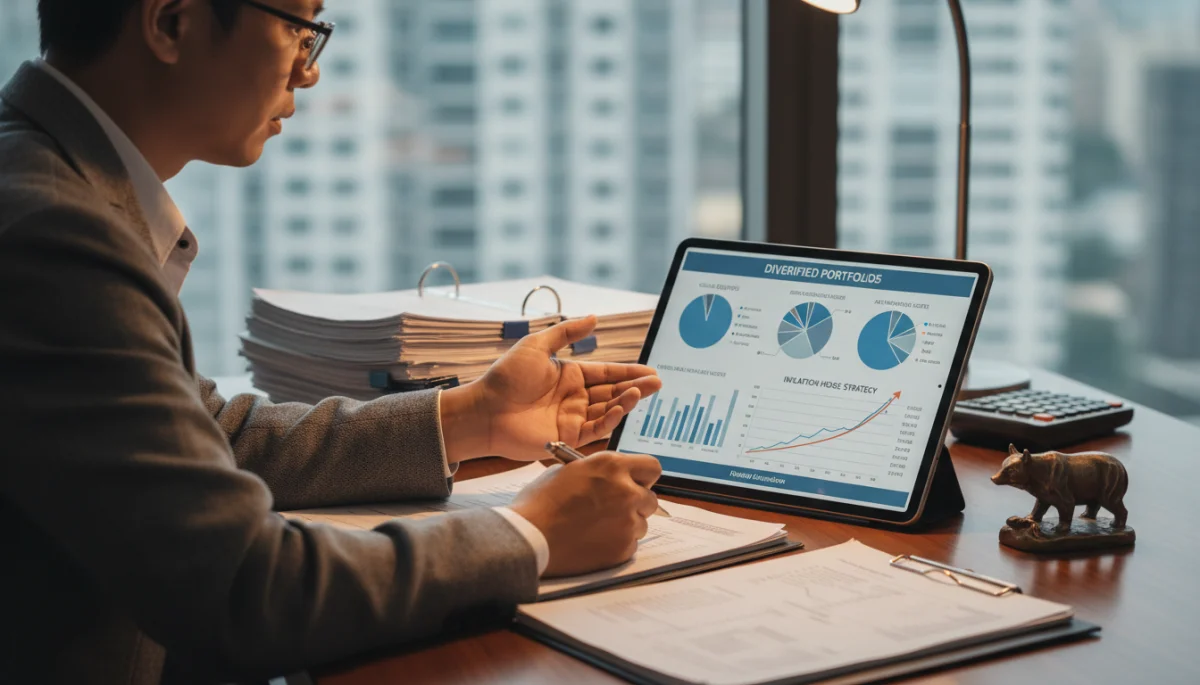
A diversified portfolio is your best defense against market volatility and inflation. Consider a mix of assets that have historically shown resilience or growth during inflationary times. This includes real estate, commodities, inflation-protected securities (TIPS), and certain equities.
- Real Estate: Often acts as a hedge against inflation as property values and rental income tend to rise.
- Commodities: Such as gold, silver, and oil, can increase in value as the cost of raw materials rises.
- Inflation-Protected Securities (TIPS): Government bonds designed to protect investors from inflation by adjusting their principal value.
- Equities: Strong companies with pricing power can pass on increased costs to consumers, maintaining profitability.
Considering Alternative Investments
Beyond traditional assets, exploring alternative investments can offer additional protection. These might include private equity, venture capital, or even certain cryptocurrencies, although these come with higher risks. Always conduct thorough research and consult with a financial advisor before venturing into less conventional investment vehicles.
The goal is to ensure your investment returns outpace the 7% inflation rate, preserving and enhancing your capital over time. Regular rebalancing of your portfolio is also crucial to adapt to changing economic conditions and maintain your desired risk profile.
Long-Term Financial Planning and Wealth Preservation
Protecting your purchasing power from a 7% annual inflation rate requires a long-term perspective and a robust financial plan. This final section focuses on strategies for wealth preservation, retirement planning, and adapting your financial goals to ensure sustained prosperity despite inflationary pressures.
Adjusting Retirement Savings and Goals
Inflation erodes the future value of your savings. If you plan to retire in 2026 or beyond, it’s critical to re-evaluate your retirement savings goals. You may need to increase your contributions or adjust your investment strategy to ensure your nest egg will provide the purchasing power you anticipate. Consider inflation-adjusted annuities or other income streams that grow with the cost of living.
Review your retirement portfolio regularly to ensure it includes assets that can withstand or even benefit from inflationary periods. Don’t underestimate the impact of compounding inflation over decades; a 7% annual rate can significantly diminish the real value of your future income.
Estate Planning and Insurance Review
Inflation can also impact your estate plan and insurance coverage. The real value of life insurance payouts or inheritances can decrease over time. Review your policies and estate documents to ensure they are adequately protected against inflation. You might need to increase coverage amounts or update beneficiary designations to reflect current and projected costs.
- Review life insurance coverage periodically
- Update wills and trusts to account for inflation
- Consider long-term care insurance
- Consult with legal and financial professionals
By taking a holistic approach to your financial planning, encompassing budgeting, income generation, strategic investing, and long-term wealth preservation, you can effectively navigate the challenges posed by the 2026 inflation outlook and protect your purchasing power for years to come.
| Key Strategy | Brief Description |
|---|---|
| Budgeting & Expense Review | Thoroughly analyze and reduce discretionary spending to offset rising costs. |
| Income Diversification | Seek promotions, negotiate salaries, or explore side hustles to increase earning potential. |
| Strategic Investing | Diversify portfolio with inflation-resistant assets like real estate, commodities, and TIPS. |
| Long-Term Planning | Adjust retirement goals and review insurance/estate plans for inflation protection. |
Frequently Asked Questions About 2026 Inflation
Current forecasts suggest an annual inflation rate of around 7% for 2026. This projection is influenced by global supply chains, domestic economic policies, and consumer demand, making proactive financial planning essential for individuals and households.
A 7% inflation rate means your savings will lose 7% of their purchasing power each year. For instance, $10,000 today would only buy what $9,300 does next year. It’s crucial to invest in assets that can outpace this rate to preserve wealth.
To combat inflation, consider diversifying into assets like real estate, commodities (e.g., gold), inflation-protected securities (TIPS), and growth stocks of companies with strong pricing power. These assets historically tend to perform well during inflationary periods.
Absolutely. A 7% inflation rate necessitates a thorough review of your budget. Identify essential vs. discretionary spending, look for cost-saving opportunities, and consider increasing your income to ensure your purchasing power is maintained or improved.
To increase your income, focus on career advancement by negotiating salary or seeking promotions. Additionally, explore side hustles or passive income streams, such as freelancing, investing in dividend stocks, or developing online content, to diversify and boost your earnings.
Conclusion
The 2026 inflation outlook, with a projected 7% annual increase, presents significant financial challenges but also opportunities for those who are prepared. By diligently implementing smart budgeting, actively seeking income growth, strategically investing in inflation-resistant assets, and meticulously planning for the long term, individuals can effectively protect their purchasing power and ensure their financial well-being. Proactive measures today will lay the foundation for a more secure financial future amidst evolving economic landscapes.