2026 Inflation Outlook: Experts Predict 3% Rate & Consumer Spending Impact
Anúncios
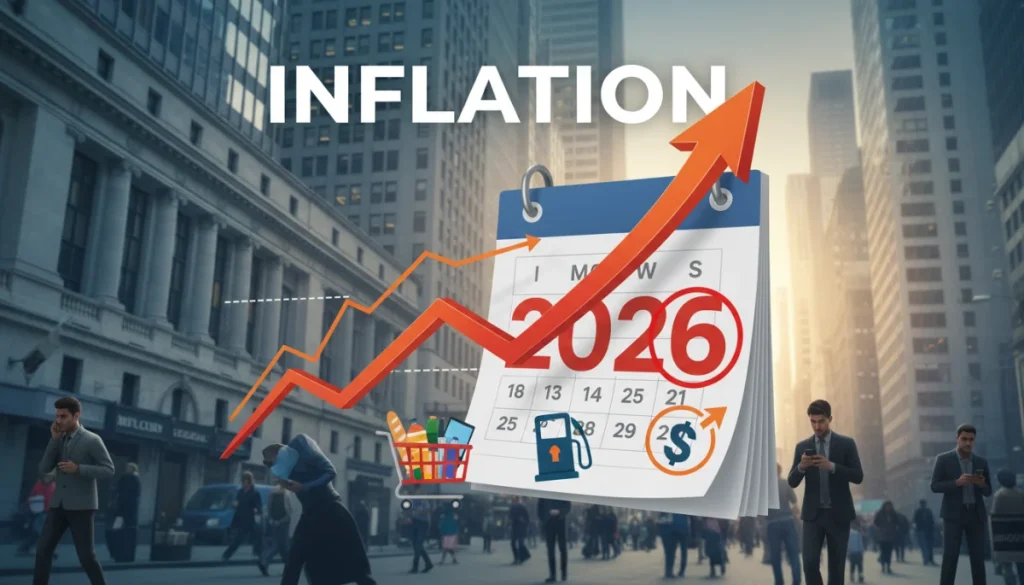
Experts predict a 3% annual inflation rate for 2026, signaling significant shifts in consumer spending habits and posing challenges for household budgets and economic stability across the United States.
Anúncios
The economic landscape is perpetually shifting, and understanding future trends is crucial for both individuals and businesses. As we look towards the middle of the decade, the 2026 inflation outlook is a topic dominating financial discussions, with leading experts projecting an annual rate of approximately 3%. This forecast carries significant implications for consumer spending, savings, and the overall stability of the American economy, prompting a closer examination of the forces at play and how they might shape our financial realities.
Understanding the 3% Inflation Projection for 2026
The projection of a 3% annual inflation rate for 2026 is not a random guess but a consensus built upon complex economic models and historical data analysis. This figure suggests a moderation from the higher peaks seen in recent years, yet it remains above the Federal Reserve’s long-term target of 2%. Understanding what drives this projection requires delving into various macroeconomic indicators and expert assessments, offering a clearer picture of what lies ahead for consumers and businesses.
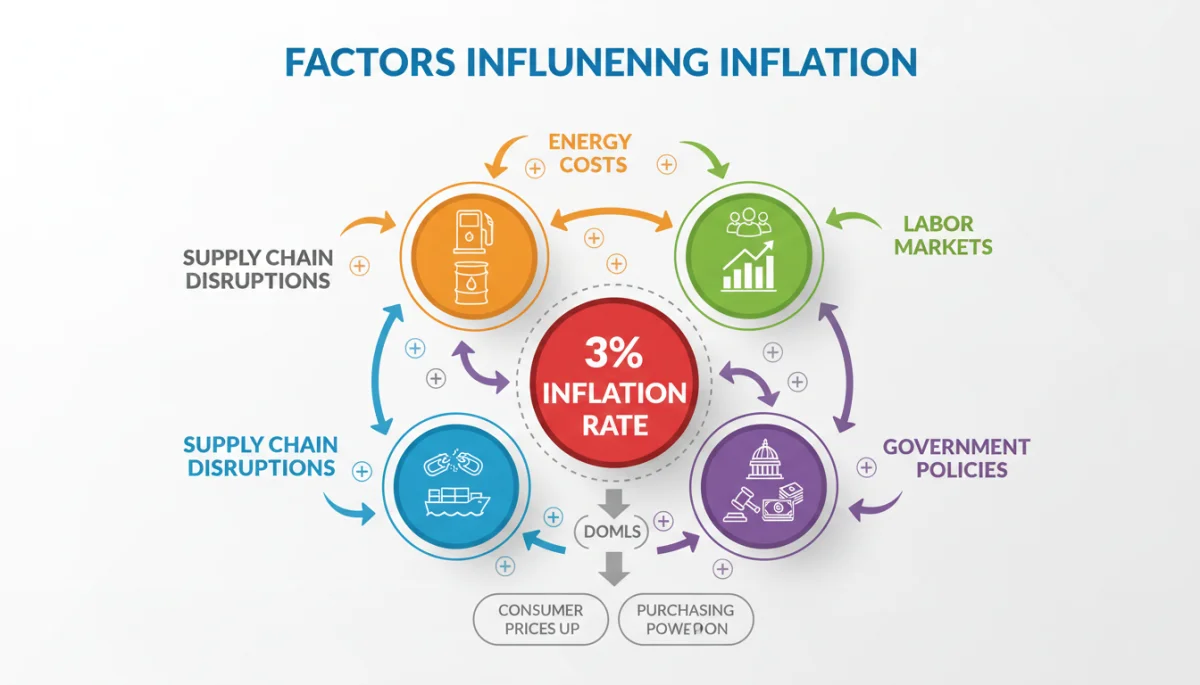
Several key factors contribute to this forecast. Global supply chain adjustments, evolving labor market dynamics, and the lingering effects of fiscal and monetary policies all play a pivotal role. Economists meticulously track these variables, using sophisticated algorithms and predictive analytics to arrive at such precise estimates. The 3% figure represents a delicate balance between continued economic growth and the persistent pressure of rising costs, indicating an economy still finding its equilibrium.
Key Economic Indicators Influencing the Forecast
Economists rely on a suite of indicators to forecast inflation. These include the Consumer Price Index (CPI), Producer Price Index (PPI), and various measures of wage growth. Each provides a piece of the puzzle, revealing trends in consumer prices, production costs, and labor market tightness.
Anúncios
- Consumer Price Index (CPI): This measures the average change over time in the prices paid by urban consumers for a market basket of consumer goods and services. A sustained increase in CPI is a direct indicator of inflation.
- Producer Price Index (PPI): PPI measures the average change over time in the selling prices received by domestic producers for their output. Changes in PPI often precede changes in CPI, as producers pass on higher costs to consumers.
- Wage Growth: Strong wage growth can contribute to inflation by increasing consumer purchasing power and leading to higher demand for goods and services. Conversely, stagnant wages can dampen inflationary pressures.
The interplay of these indicators, alongside global economic conditions and geopolitical events, forms the basis of the 3% inflation forecast. It’s a dynamic process, and while 3% is the current consensus, vigilance remains key to adapting to any shifts.
The Impact on Consumer Spending Habits
A 3% inflation rate, while seemingly moderate, can significantly alter consumer spending habits. When prices rise consistently, the purchasing power of money diminishes. This means that a dollar in 2026 will buy less than it does today, forcing consumers to make tougher choices about where and how they allocate their budgets. Understanding these shifts is crucial for businesses aiming to remain competitive and for households striving to maintain their living standards.
Consumers typically respond to persistent inflation by prioritizing essential goods and services over discretionary spending. Categories such as groceries, utilities, and housing often see sustained demand, while luxury items, entertainment, and non-essential travel may experience reduced uptake. This recalibration of priorities can have ripple effects across various sectors of the economy, favoring some industries while challenging others.
Adjustments in Household Budgets
Households will need to adapt their budgeting strategies to account for the erosion of purchasing power. This often involves a more meticulous approach to financial planning, seeking out deals, and potentially delaying larger purchases. The psychological effect of seeing prices climb can also influence spending, leading to a more cautious consumer base.
- Prioritizing Essentials: Families will likely focus more on securing basic necessities, potentially cutting back on dining out or subscription services.
- Seeking Value: Consumers may become more price-sensitive, opting for generic brands or discount retailers to stretch their budgets further.
- Delayed Purchases: Big-ticket items like cars, appliances, or home renovations might be postponed as consumers wait for more favorable economic conditions or better deals.
The cumulative effect of these individual spending adjustments can reshape market demand and influence corporate strategies. Businesses that understand and respond to these evolving consumer behaviors will be better positioned to navigate the inflationary environment.
Sector-Specific Vulnerabilities and Opportunities
While a 3% inflation rate impacts the entire economy, its effects are not uniformly distributed. Certain sectors will experience greater vulnerabilities, while others may uncover new opportunities. This differential impact stems from varying levels of price elasticity, supply chain sensitivities, and the essential nature of the goods or services provided. Identifying these sector-specific nuances is vital for investors, policymakers, and businesses alike.
Sectors heavily reliant on imported goods or those with high energy consumption are often more susceptible to inflationary pressures. Conversely, sectors offering essential services or those with strong pricing power might be more resilient. The ability to pass on increased costs to consumers without significant demand destruction becomes a critical differentiator in an inflationary environment.
Industries Most Affected by Rising Costs
Industries with tight margins and high input costs are often the first to feel the squeeze of inflation. Energy-intensive manufacturing, transportation, and certain segments of retail could face significant challenges as operational expenses climb. Their ability to innovate, optimize supply chains, or find alternative inputs will determine their resilience.
- Food and Beverage: Rising commodity prices and labor costs directly impact food production and distribution, leading to higher grocery bills.
- Automotive: Increased costs for raw materials like steel and semiconductors, coupled with transportation expenses, can drive up vehicle prices.
- Housing and Construction: Lumber, concrete, and labor costs can inflate housing prices and construction projects, affecting affordability.
Conversely, sectors that provide essential services, such as healthcare and utilities, may experience more stable demand, even with price adjustments. Technology companies that offer efficiency-enhancing solutions could also see increased demand as businesses seek to mitigate rising costs.
Monetary Policy Responses and Their Effectiveness
Central banks, particularly the Federal Reserve in the United States, play a critical role in managing inflation through monetary policy. Their decisions to adjust interest rates, conduct open market operations, or implement quantitative easing/tightening policies directly influence the availability and cost of money in the economy. The effectiveness of these responses in achieving the 2% long-term inflation target while navigating a 3% forecast for 2026 will be closely watched.
Higher interest rates, for instance, are a conventional tool used to cool down an overheating economy by making borrowing more expensive, thereby reducing demand and inflationary pressures. However, there’s a delicate balance to strike; overly aggressive tightening can risk tipping the economy into a recession, while insufficient action may allow inflation to become entrenched. The Fed’s communication and forward guidance will be key in shaping market expectations and consumer confidence.
Balancing Growth and Price Stability
The challenge for monetary policymakers is to achieve a ‘soft landing’ – bringing inflation down without causing a significant economic downturn. This requires careful calibration of policy tools, considering both domestic economic conditions and global financial trends.
- Interest Rate Adjustments: The primary tool to influence borrowing costs and investment decisions. Higher rates tend to curb inflation.
- Quantitative Tightening (QT): Reducing the central bank’s balance sheet by selling off assets, which removes liquidity from the financial system and can help control inflation.
- Communication and Forward Guidance: Clearly articulating policy intentions helps manage market expectations and can influence economic behavior.
The efficacy of these policies depends on various factors, including the underlying causes of inflation (demand-pull versus cost-push), the responsiveness of economic agents, and the credibility of the central bank. As 2026 approaches, the Fed’s strategic decisions will heavily influence the actual inflation trajectory.
Global Economic Factors and Their Influence
Inflation in a highly interconnected global economy is rarely a purely domestic phenomenon. International trade, geopolitical events, and the economic performance of major global players can significantly influence the domestic inflation outlook. For the 2026 forecast of 3%, understanding these external forces is paramount, as they can either exacerbate or mitigate internal pressures, adding layers of complexity to economic predictions.
Disruptions in global supply chains, often triggered by geopolitical tensions, natural disasters, or pandemics, can lead to shortages and higher prices for goods and components. Similarly, fluctuations in international commodity prices, particularly for oil and gas, directly impact energy costs and, by extension, the cost of production and transportation across many industries. The economic health of key trading partners also plays a role, affecting demand for exports and the strength of the dollar.
Geopolitical Risks and Commodity Prices
Geopolitical instability, such as conflicts or trade disputes, can have immediate and far-reaching effects on global markets. These events can disrupt supply routes, trigger sanctions, or create uncertainty, leading to spikes in commodity prices and increased risk premiums.
- Energy Market Volatility: Geopolitical tensions in oil-producing regions can lead to sudden price increases, impacting transportation and manufacturing costs globally.
- Supply Chain Resilience: The ongoing effort to diversify supply chains and build resilience against future shocks can influence production costs and availability of goods.
- Global Demand Shifts: Economic slowdowns or booms in major economies like China or the Eurozone can alter global demand for raw materials and finished products, affecting prices worldwide.
Monitoring these global dynamics is essential for a comprehensive understanding of the 2026 inflation outlook. The interplay between domestic policies and international events will determine the ultimate path of price stability.
Strategies for Consumers and Businesses to Adapt
Given the 2026 inflation outlook of a 3% annual rate, both consumers and businesses must proactively develop strategies to adapt and thrive. This involves not only understanding the economic headwinds but also identifying opportunities for financial resilience and growth. By taking informed steps now, individuals can protect their purchasing power, and businesses can maintain profitability and market share in a dynamic environment.
For consumers, this often means a renewed focus on budgeting, saving, and investing wisely. For businesses, it translates into strategic pricing, operational efficiencies, and a keen eye on market trends. The ability to be agile and responsive to changing economic conditions will be a key determinant of success.
Personal Finance During Inflation
Individuals can employ several tactics to mitigate the effects of inflation on their personal finances. These strategies aim to preserve wealth and ensure that savings and investments outpace the rate of price increases.
- Budgeting and Expense Review: Regularly review and adjust household budgets to identify areas for cost savings and prioritize essential spending.
- Investing in Inflation-Hedged Assets: Consider investments that traditionally perform well during inflationary periods, such as Treasury Inflation-Protected Securities (TIPS), real estate, or commodities.
- Debt Management: Prioritize paying off high-interest variable-rate debt, as interest payments can increase with rising rates.
Business Resilience in an Inflationary Climate
Businesses, too, must implement robust strategies to navigate inflation. This involves managing costs, optimizing pricing, and maintaining strong customer relationships.
- Cost Optimization: Identify opportunities to reduce operational costs, improve supply chain efficiency, and negotiate better terms with suppliers.
- Strategic Pricing: Implement dynamic pricing strategies that allow for necessary adjustments without alienating customers. Communicate value propositions clearly.
- Innovation and Efficiency: Invest in technology and processes that enhance productivity and reduce reliance on expensive inputs.
Proactive planning and adaptability will be crucial for both consumers and businesses to successfully navigate the predicted 3% inflation rate in 2026. Those who anticipate and respond effectively will be better positioned for long-term financial health.
| Key Point | Brief Description |
|---|---|
| 2026 Inflation Rate | Experts predict a 3% annual inflation rate, moderating from recent peaks but above the Fed’s 2% target. |
| Consumer Spending | Purchasing power will decrease, leading consumers to prioritize essentials and seek value, impacting discretionary spending. |
| Monetary Policy | Federal Reserve will continue to adjust interest rates and other tools to balance inflation control with economic growth. |
| Adaptation Strategies | Consumers should budget wisely; businesses should focus on cost optimization and strategic pricing. |
Frequently Asked Questions About 2026 Inflation
The 3% forecast for 2026 is influenced by a combination of global supply chain recalibrations, evolving labor market dynamics, and the lingering effects of past fiscal and monetary stimuli, all contributing to persistent but moderating price pressures.
A 3% inflation rate means everyday goods like groceries, fuel, and utilities will gradually become more expensive. Consumers will likely experience a slight but noticeable erosion of their purchasing power, requiring more careful budgeting and potentially leading to shifts towards value-oriented products.
The Federal Reserve will continue to use monetary policy tools, primarily interest rate adjustments, to influence economic activity and curb inflation. Their goal is to achieve a ‘soft landing’ by bringing inflation closer to the 2% target without triggering a recession.
Yes, industries with high input costs, thin margins, or heavy reliance on imported goods, such as energy-intensive manufacturing, transportation, and certain retail segments, are generally more vulnerable to sustained inflation.
Individuals can protect their finances by meticulously budgeting, reviewing expenses, considering investments in inflation-hedged assets like TIPS or real estate, and strategically managing or paying down high-interest debt to preserve purchasing power.
Conclusion
The projected 3% annual inflation rate for 2026 presents a nuanced economic landscape, one that demands both vigilance and strategic adaptation from consumers and businesses alike. While this forecast suggests a moderation from recent inflationary spikes, it underscores the ongoing need for robust financial planning and informed decision-making. The interplay of domestic monetary policies, global economic factors, and evolving consumer behaviors will collectively shape the economic realities of the coming years. By understanding these dynamics and implementing proactive strategies, stakeholders can better navigate the challenges and capitalize on potential opportunities, ensuring greater financial resilience and stability in an ever-changing world.