Veterans Benefits 2026: Healthcare & Housing Updates
Anúncios
The Veterans Benefits in 2026: Key Updates to Healthcare Access and Housing Assistance Programs (RECENT UPDATES) reflect significant legislative changes aimed at enhancing the quality of life and support systems for American military veterans.
As we move into 2026, understanding the crucial changes to veterans benefits in 2026 is more important than ever for those who have served our nation. These recent updates are designed to significantly improve healthcare access and housing assistance programs, directly impacting the well-being and stability of millions of American veterans. This article delves into the specifics of these changes, providing a comprehensive overview to help veterans and their families navigate the evolving landscape of available support.
Anúncios
Enhanced healthcare access for veterans
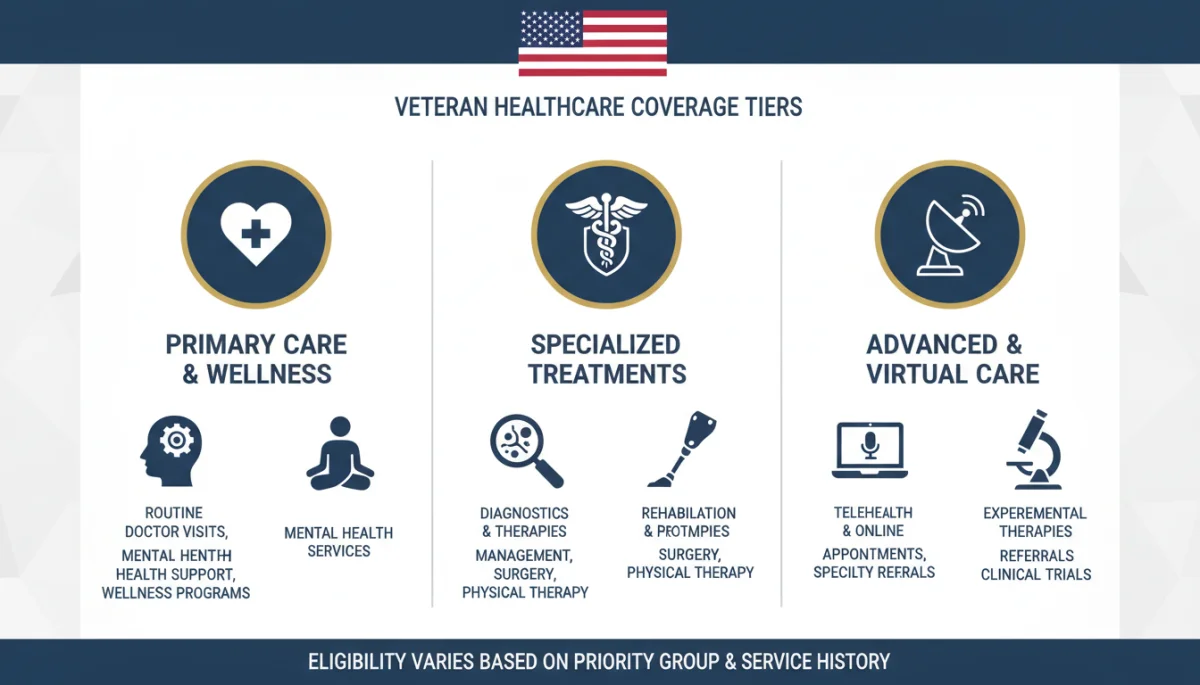
The year 2026 brings forth pivotal enhancements in healthcare access for veterans, building upon previous legislative efforts to ensure comprehensive and timely medical support. These updates address long-standing challenges, aiming to reduce wait times, expand service availability, and integrate mental health and specialized care more seamlessly into primary care.
One of the most significant changes involves the expansion of eligibility criteria for certain specialized treatments, making advanced therapies more accessible to a broader veteran population. This includes innovative treatments for chronic conditions and expanded coverage for rehabilitative services, ensuring veterans receive the best possible care tailored to their unique needs.
Telehealth and digital health services expansion
The Department of Veterans Affairs (VA) has made substantial investments in telehealth infrastructure for 2026, recognizing its critical role in delivering care, especially to veterans in rural or underserved areas. This expansion is not just about convenience; it’s about equitable access to quality medical advice and ongoing treatment.
- Remote consultations: Veterans can now more easily connect with specialists regardless of their geographical location.
- Mental health support: Increased availability of virtual therapy sessions and psychiatric evaluations.
- Digital prescription refills: Streamlined processes for managing and receiving necessary medications.
- Wearable health technology integration: Pilot programs for monitoring chronic conditions remotely, allowing for proactive health management.
These technological advancements are set to revolutionize how veterans interact with the VA healthcare system, offering flexibility and personalized care options previously unavailable. The focus is on creating a veteran-centric healthcare experience that leverages modern technology to its fullest potential.
Anúncios
Improved mental health and addiction services
Recognizing the profound impact of mental health challenges and addiction on the veteran community, 2026 sees a renewed commitment to these critical areas. New funding allocations are supporting expanded programs and increased staffing to meet the growing demand for these services.
The VA is placing a greater emphasis on integrated care models, where mental health professionals work closely with primary care providers to address the holistic needs of veterans. This approach aims to destigmatize mental health issues and encourage more veterans to seek help without hesitation.
Overall, the enhanced healthcare access initiatives for 2026 underscore a proactive approach to veteran well-being, focusing on preventative care, advanced treatment options, and accessible service delivery. These updates are a testament to the ongoing commitment to those who have served.
Significant housing assistance programs
Housing stability is a cornerstone of veteran well-being, and the 2026 updates introduce significant advancements in housing assistance programs. These initiatives are designed to combat veteran homelessness, facilitate homeownership, and ensure that all veterans have access to safe, affordable, and suitable living conditions.
One of the primary focuses is on increasing the availability of permanent supportive housing for homeless veterans, coupled with comprehensive support services to address underlying issues such as mental health and substance abuse. The VA is collaborating more closely with local communities and non-profit organizations to achieve these goals.
Expanded eligibility for VA home loans
The VA home loan program remains one of the most valuable benefits for veterans, and 2026 brings expansions to its eligibility and features. These changes aim to make homeownership a reality for more veterans, including those with less traditional employment histories or unique financial situations.
- Lower credit score requirements: Adjustments to make the program more inclusive for veterans rebuilding their credit.
- Increased loan limits: Reflecting the rising costs of housing in various markets across the U.S.
- Streamlined application process: Reducing bureaucratic hurdles to make obtaining a loan faster and less stressful.
- Energy-efficient home incentives: New programs encouraging veterans to purchase or build homes with sustainable features.
These modifications are poised to significantly boost veteran homeownership rates, providing a tangible pathway to long-term financial stability and personal security. The focus is on empowering veterans to invest in their future through accessible and favorable loan terms.
Homeless veterans assistance initiatives
Addressing veteran homelessness continues to be a top priority, with 2026 seeing the launch of several innovative programs. These initiatives go beyond providing temporary shelter, focusing on sustainable solutions that integrate housing with essential services.
New partnerships with private developers and community organizations are creating more affordable housing units specifically earmarked for veterans. These units often come with on-site support, including case management, vocational training, and access to mental health services, fostering a holistic approach to reintegration.
The renewed emphasis on housing assistance programs in 2026 reflects a comprehensive strategy to ensure that every veteran has a place to call home and the support needed to thrive within their communities.
Educational and employment support
Beyond healthcare and housing, the 2026 updates to veterans benefits also include significant enhancements to educational and employment support programs. These initiatives are crucial for veterans transitioning back into civilian life, providing them with the tools and opportunities needed to build successful careers and pursue higher education.
The Post-9/11 GI Bill continues to be a cornerstone of educational benefits, and 2026 introduces further refinements to its application and utilization. These changes aim to simplify the process for veterans, ensuring they can easily access the funding needed for college degrees, vocational training, and other educational pursuits without unnecessary delays.
Expanded vocational training and certification programs
Recognizing the demand for skilled labor in various industries, the VA is expanding its vocational training and certification programs. These programs are tailored to meet current market needs, equipping veterans with in-demand skills that lead to meaningful employment.
- Partnerships with industry leaders: Collaborations to develop training curricula directly relevant to specific job sectors.
- Apprenticeship opportunities: Increased availability of paid apprenticeships that combine on-the-job training with classroom instruction.
- Certification reimbursement: Broader coverage for the costs associated with obtaining professional certifications in various fields.
- Entrepreneurship training: New programs to support veterans interested in starting their own businesses, offering mentorship and financial planning resources.
These expansions are designed to provide veterans with diverse pathways to employment, whether they are seeking traditional roles or venturing into entrepreneurial endeavors. The goal is to maximize their potential in the civilian workforce.
Career counseling and job placement services
The VA’s career counseling and job placement services are also receiving significant upgrades in 2026. These services are becoming more personalized, leveraging advanced assessment tools to match veterans with suitable career paths and connecting them with employers actively seeking veteran talent.
Veterans will find enhanced support in resume building, interview preparation, and networking opportunities. Special emphasis is being placed on bridging the gap between military skills and civilian job requirements, helping employers recognize the invaluable experience veterans bring to the workplace.
The educational and employment support updates for 2026 underscore a holistic approach to veteran integration, ensuring they have the resources to not only find jobs but to build fulfilling and sustainable careers.
Financial assistance and disability compensation
Financial stability is a critical component of a veteran’s overall well-being, and the 2026 updates introduce important adjustments to financial assistance and disability compensation programs. These changes are aimed at providing greater economic security and ensuring that veterans receive fair and timely compensation for service-connected disabilities.
The annual cost-of-living adjustment (COLA) for disability compensation and pension benefits is expected to reflect current economic conditions, ensuring that veterans’ purchasing power is maintained. This adjustment is vital for veterans relying on these benefits as their primary source of income.
Streamlined disability claims process
One of the most anticipated updates for 2026 is the continued effort to streamline the disability claims process. The VA is implementing new technologies and procedures to reduce the backlog of claims and expedite decisions, ensuring veterans receive their benefits more quickly.
- Digital claims submission: Enhanced online portals for submitting and tracking claims, reducing paper-based processes.
- Improved communication: More proactive updates and clearer communication channels for veterans regarding their claim status.
- Expanded legal aid partnerships: Collaborations with legal organizations to provide pro bono assistance to veterans navigating complex claims.
- Faster appeals process: Efforts to reduce the time it takes for veterans to appeal unfavorable decisions, ensuring a more efficient resolution.
These improvements are designed to make the disability claims process less daunting and more transparent, allowing veterans to focus on their health and recovery rather than bureaucratic hurdles.
Enhanced financial literacy and counseling
Recognizing the importance of financial education, the VA is expanding its financial literacy and counseling services in 2026. These programs aim to empower veterans with the knowledge and tools to manage their finances effectively, plan for retirement, and avoid financial pitfalls.
Workshops on budgeting, debt management, and investment strategies will be more widely available, often tailored to the unique financial situations veterans may face. The goal is to provide veterans with the confidence and skills to achieve long-term financial independence.
The financial assistance and disability compensation updates for 2026 reflect a commitment to ensuring veterans are economically secure, providing both direct financial support and the tools for effective financial management.
Support for military families and caregivers
The sacrifices made by military families and caregivers are immeasurable, and the 2026 updates to veterans benefits include significant provisions to support these vital individuals. These programs acknowledge their crucial role in the veteran’s recovery and reintegration journey, offering resources to alleviate burdens and enhance their well-being.
One key area of focus is expanding access to respite care for caregivers, allowing them much-needed breaks from their demanding responsibilities. This ensures that caregivers can maintain their own health and avoid burnout, ultimately benefiting the veteran they care for.
Expanded caregiver support program
The VA’s Program of Comprehensive Assistance for Family Caregivers (PCAFC) is undergoing further enhancements in 2026. These updates aim to broaden eligibility, increase financial stipends, and provide more comprehensive training and support services to eligible caregivers.
- Broader eligibility criteria: Allowing more veterans and their caregivers to qualify for the program.
- Increased financial stipends: Reflecting the true economic value of the care provided by family members.
- Enhanced training modules: Offering specialized training in managing specific medical conditions and assisting with daily living activities.
- Mental health services for caregivers: Providing dedicated counseling and support groups to address the emotional toll of caregiving.
These expansions are critical for sustaining the health and well-being of caregivers, who often put their own needs aside to care for their loved ones. Supporting caregivers is an indirect yet powerful way to support veterans themselves.
Resources for military spouses and children
Recognizing that the entire family serves, 2026 also sees an increase in resources available to military spouses and children. These programs focus on educational opportunities, employment assistance, and mental health support, ensuring that families remain resilient and thrive.
New initiatives include expanded scholarship programs for military children, enhanced career counseling for spouses facing frequent relocations, and improved access to childcare services. The aim is to mitigate the unique challenges faced by military families, fostering stability and growth.
The support for military families and caregivers in 2026 reflects a holistic understanding of veteran care, acknowledging that a strong support system is fundamental to a veteran’s long-term success and happiness.
Navigating and accessing your benefits
Understanding and accessing the full spectrum of veterans benefits can sometimes be complex, but significant efforts are being made in 2026 to simplify this process. The goal is to ensure that every veteran can easily identify, apply for, and receive the benefits they have earned through their service.
The VA is investing in user-friendly digital platforms and expanding its outreach programs to provide personalized assistance. These initiatives are crucial for bridging the information gap and ensuring that veterans are fully aware of all available resources.
Enhanced VA website and mobile applications
The official VA website and associated mobile applications are receiving major overhauls in 2026, focusing on intuitive navigation, clear language, and personalized content. These digital tools are designed to be a one-stop shop for all veteran benefit inquiries.
- Personalized benefit dashboards: Allowing veterans to see all their eligible benefits in one place.
- Interactive eligibility checkers: Tools to help veterans quickly determine which programs they qualify for.
- Secure document upload: Streamlined process for submitting necessary paperwork digitally.
- Live chat support: Instant access to VA representatives for real-time assistance and answers to questions.
These technological improvements are aimed at demystifying the benefits process, making it more accessible and less time-consuming for veterans to manage their entitlements.
Community outreach and veteran service organizations
Beyond digital platforms, the VA is strengthening its partnerships with Veteran Service Organizations (VSOs) and expanding community outreach efforts. These collaborations are vital for reaching veterans who may not have internet access or prefer in-person assistance.
Local VA offices and VSOs will host more workshops, information sessions, and one-on-one counseling opportunities throughout the year. These events provide a direct line to experts who can guide veterans through the application process, answer complex questions, and advocate on their behalf.
Navigating and accessing benefits in 2026 is set to be a more supportive and straightforward experience, thanks to a combination of technological advancements and enhanced community engagement. The ultimate aim is to ensure that no veteran is left behind when it comes to receiving the support they deserve.
| Key Update Area | Brief Description of Change |
|---|---|
| Healthcare Access | Expanded eligibility for specialized treatments, significant telehealth infrastructure investment, and enhanced mental health services. |
| Housing Assistance | Expanded VA home loan eligibility, increased loan limits, and new initiatives to combat veteran homelessness. |
| Employment Support | Broadened vocational training, certification reimbursement, and enhanced career counseling and job placement services. |
| Caregiver Support | Expanded Program of Comprehensive Assistance for Family Caregivers (PCAFC) and increased resources for military spouses and children. |
Frequently asked questions about 2026 veterans benefits
The main changes include expanded eligibility for specialized treatments, significant investments in telehealth and digital health services, and enhanced mental health and addiction programs. These aim to provide more accessible and comprehensive care for all veterans across the United States.
VA home loans in 2026 feature expanded eligibility criteria, lower credit score requirements, and increased loan limits to reflect rising housing costs. The application process has also been streamlined to make homeownership more attainable for a wider range of veterans.
Yes, 2026 introduces several innovative programs for homeless veterans, focusing on permanent supportive housing and integrated support services. These initiatives include new partnerships with private developers and community organizations to create more affordable housing units.
Veterans can access expanded vocational training, certification reimbursement programs, and enhanced career counseling. The Post-9/11 GI Bill has also been refined for simpler utilization, providing more pathways to successful civilian careers and higher education.
The Program of Comprehensive Assistance for Family Caregivers (PCAFC) will see broader eligibility, increased financial stipends, and enhanced training. Additionally, more mental health services and respite care options will be available to support military families and caregivers.
Conclusion
The Veterans Benefits in 2026: Key Updates to Healthcare Access and Housing Assistance Programs (RECENT UPDATES) represent a significant step forward in honoring the commitment to our nation’s veterans. From enhanced healthcare access, including expanded telehealth and mental health services, to robust housing assistance programs aimed at combating homelessness and facilitating homeownership, these changes are designed to provide comprehensive support. Furthermore, improvements in educational, employment, and financial aid, alongside increased support for military families and caregivers, underscore a holistic approach to veteran well-being. It is crucial for veterans and their families to stay informed and actively utilize the simplified access points to these vital benefits, ensuring they receive the full scope of support they have rightfully earned.