Hybrid Learning Models 2026: Effectiveness & Student Outcomes
Anúncios
Hybrid learning models in 2026 represent a dynamic educational approach combining online and in-person instruction, significantly impacting student engagement, academic performance, and overall educational adaptability.
Anúncios
The educational landscape is in a constant state of evolution, and by 2026, hybrid learning models have cemented their place as a foundational approach. This comparative study delves into the effectiveness and student outcomes associated with these dynamic models, examining how they are shaping the future of learning across the United States. Understanding their nuances is crucial for educators, policymakers, and parents alike.
Understanding the Core of Hybrid Learning in 2026
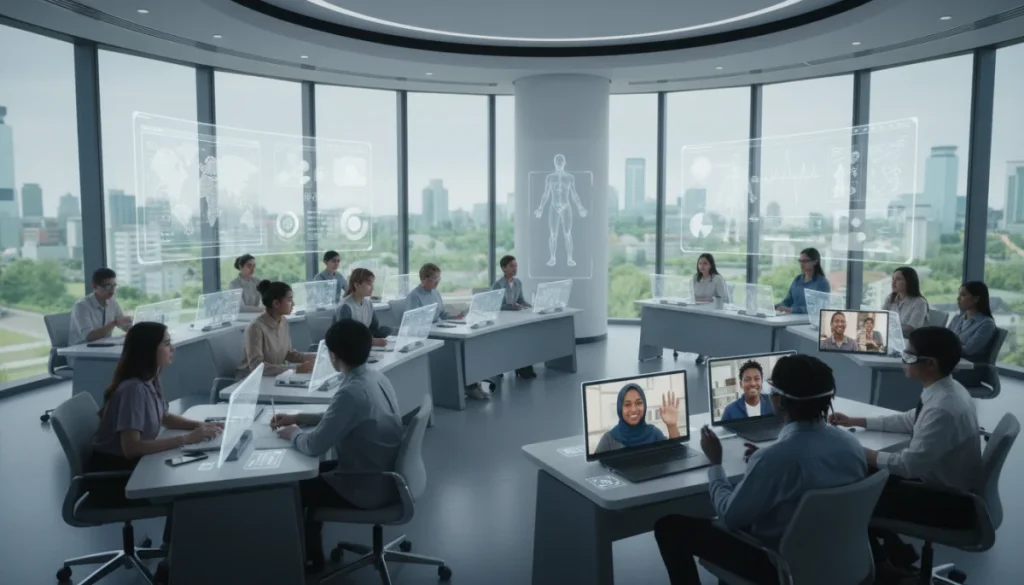
Hybrid learning, often referred to as blended learning, integrates face-to-face classroom instruction with online learning experiences. This approach aims to leverage the best of both worlds, offering flexibility and personalized pathways while maintaining the benefits of direct interaction. By 2026, these models have matured significantly, incorporating advanced technologies and pedagogical strategies.
The fundamental principle behind hybrid learning is to provide students with greater control over their learning environment, pace, and path. This often involves a mix of synchronous (real-time) and asynchronous (self-paced) activities, allowing for diverse learning styles and schedules.
Defining Hybrid Structures
Various structures underpin hybrid learning models, each with distinct characteristics and implementation strategies. These structures determine how students engage with content and instructors.
Anúncios
- Rotation Model: Students rotate between self-paced online learning and face-to-face instruction within a scheduled environment.
- Flex Model: Online learning forms the backbone of the curriculum, with teachers providing on-site support and small-group instruction as needed.
- Enriched Virtual Model: Students complete most coursework online but attend required face-to-face sessions for specific activities or assessments.
- A La Carte Model: Students take one or more courses entirely online while concurrently attending traditional face-to-face courses.
Each model offers unique advantages, catering to different institutional capacities and student needs. The choice of model often depends on resources, technological infrastructure, and the specific learning objectives of the program.
In conclusion, hybrid learning in 2026 is far from a one-size-fits-all solution. Its core involves a thoughtful blend of digital and physical learning spaces, designed to optimize engagement and foster deeper understanding. The evolution of these models reflects a broader commitment to adaptable and student-centered education.
Effectiveness Across K-12 Education
The impact of hybrid learning on K-12 students has been a subject of extensive research and implementation, particularly as technology integration becomes more seamless. In 2026, the effectiveness of these models in primary and secondary education is increasingly evident, though challenges persist.
Hybrid approaches in K-12 settings often focus on fostering digital literacy, independent learning skills, and catering to diverse learning paces. The ability to revisit online materials or engage in real-time discussions provides a robust learning environment for younger students.
Enhanced Student Engagement
One of the most significant benefits observed in K-12 hybrid models is the potential for enhanced student engagement. The variety of instructional methods can keep students more interested and motivated.
- Interactive Digital Resources: Online platforms offer gamified learning, virtual labs, and multimedia content that captivate young learners.
- Personalized Learning Paths: Adaptive software allows students to progress at their own speed, focusing on areas where they need more support.
- Collaborative Online Tools: Students can work together on projects using shared documents and virtual whiteboards, fostering teamwork.
However, maintaining engagement requires careful instructional design and consistent teacher presence, both online and offline. The balance between guided instruction and independent exploration is crucial for success.
While the K-12 sector has embraced hybrid learning with varying degrees of success, the overall trend points towards positive outcomes in terms of student engagement and adaptability. Educators are continually refining their approaches to maximize the benefits of these integrated environments for younger learners.
Higher Education and Professional Development
Hybrid learning has found a particularly strong foothold in higher education and professional development programs by 2026, offering unparalleled flexibility and access. Universities and corporate training initiatives have leveraged these models to reach broader audiences and provide more tailored learning experiences.
For adult learners, the convenience of online components combined with the richness of in-person interactions makes hybrid models highly attractive. This blend supports those balancing education with work or family commitments, without compromising on academic rigor.
Flexible Learning Opportunities
The primary draw of hybrid models in higher education is the flexibility they offer. Students can manage their schedules more effectively, leading to higher retention rates and improved satisfaction.
- Asynchronous Content Access: Lectures and readings can be accessed at any time, accommodating diverse time zones and personal commitments.
- Reduced Commute Time: Less frequent on-campus presence saves time and resources for students and institutions.
- Diverse Course Offerings: Institutions can offer a wider range of specialized courses that might not be feasible in a purely traditional format.
Furthermore, hybrid models in professional development allow employees to upskill or reskill without significant disruption to their work. This continuous learning approach is vital in a rapidly changing job market.
In summary, hybrid learning in higher education and professional development contexts is characterized by its adaptability and accessibility. It empowers adult learners to pursue their educational goals efficiently, contributing to a more skilled and knowledgeable workforce.
Key Factors Influencing Student Outcomes
The success of hybrid learning models is not solely dependent on the model itself but on a confluence of factors that significantly influence student outcomes. By 2026, understanding these variables has become paramount for effective implementation.
From technological infrastructure to pedagogical approaches and student characteristics, each element plays a critical role in shaping the learning experience and, consequently, academic achievement and personal growth.
Technological Infrastructure and Support
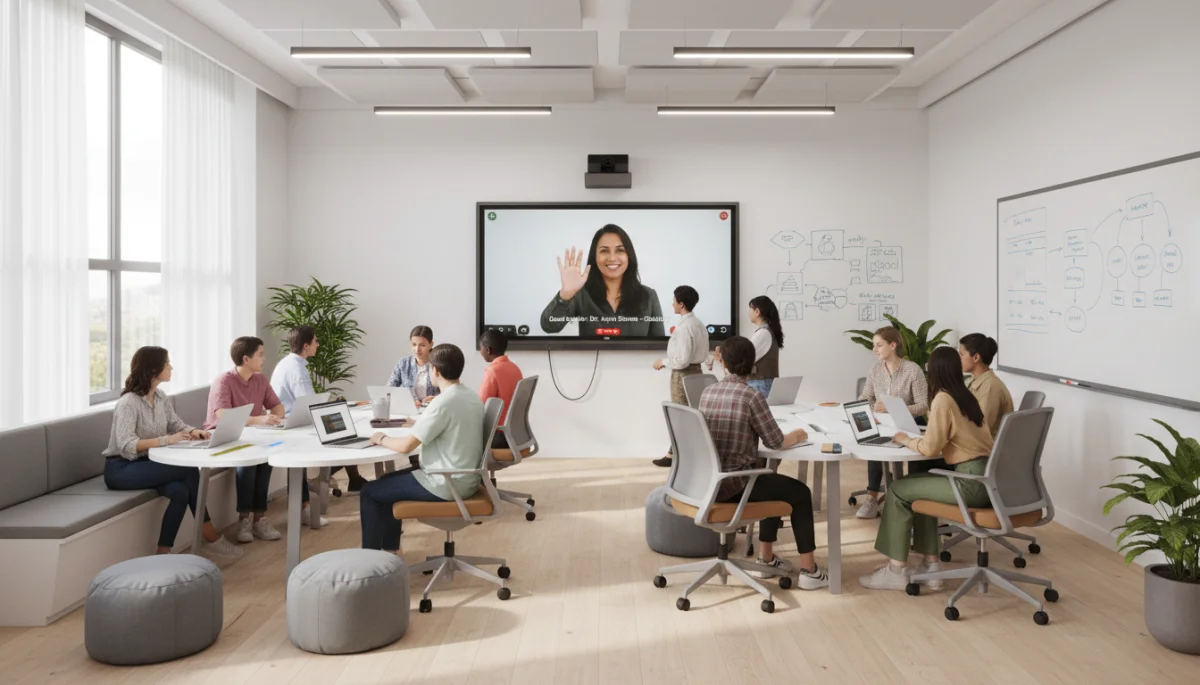
Robust and reliable technology is the backbone of any successful hybrid program. Without adequate infrastructure, even the best-designed curriculum can falter.
- High-Speed Internet Access: Essential for seamless online participation and access to digital resources.
- Learning Management Systems (LMS): A user-friendly and comprehensive LMS is crucial for organizing content, assignments, and communication.
- Technical Support: Readily available technical assistance for both students and instructors ensures smooth operation and problem resolution.
Beyond hardware and software, the human element of technical support is equally important. Students and faculty need to feel confident that help is available when they encounter issues.
Another critical factor is the quality of instructional design. Courses must be meticulously planned to integrate online and offline components effectively. This includes clear expectations, engaging activities, and meaningful assessments that align with learning objectives. Effective communication strategies are also vital, ensuring students feel connected and supported throughout their learning journey.
Ultimately, the effectiveness of hybrid learning hinges on a holistic approach that considers technology, pedagogy, and human support. Institutions that invest in these areas are more likely to see positive student outcomes.
Challenges and Solutions in Implementation
Despite their numerous benefits, the widespread adoption of hybrid learning models has not been without its challenges. By 2026, many of these hurdles have been identified and addressed, though continuous adaptation remains necessary.
From ensuring equitable access to managing teacher workload and student motivation, the complexities of hybrid instruction demand thoughtful solutions and ongoing innovation.
Addressing Equity and Access
One of the most persistent challenges revolves around equity and access. Not all students have the same resources or home environments conducive to effective online learning.
- Digital Divide Initiatives: Programs providing devices and internet access to underserved communities.
- Accessible Content Design: Ensuring online materials are usable by students with disabilities.
- Support for Home Learning Environments: Offering guidance and resources for parents to create supportive learning spaces.
Furthermore, teacher training is paramount. Educators need ongoing professional development to effectively navigate hybrid environments, utilize new technologies, and adapt their teaching methodologies. This includes strategies for engaging both in-person and remote students simultaneously.
Maintaining student motivation and preventing burnout is another significant challenge. Hybrid models can sometimes lead to feelings of isolation for remote learners or increased screen fatigue. Solutions include incorporating more interactive activities, fostering peer collaboration, and providing regular check-ins and feedback.
In conclusion, while challenges exist, the education sector has made significant strides in developing solutions for implementing hybrid learning effectively. A focus on equity, professional development, and student well-being is key to overcoming these obstacles.
Future Trends and Innovations in Hybrid Learning
The evolution of hybrid learning models is far from complete. As we look towards the late 2020s and beyond, several exciting trends and innovations are poised to further transform the educational landscape.
These advancements promise to make hybrid learning even more personalized, immersive, and effective, pushing the boundaries of what’s possible in integrated education.
Emerging Technologies and Pedagogies
Technological breakthroughs are continually opening new avenues for hybrid instruction, enhancing both synchronous and asynchronous learning experiences.
- Artificial Intelligence (AI): AI-powered tools are being used for personalized feedback, adaptive learning paths, and automated assessment, freeing up teacher time for more individualized student support.
- Virtual and Augmented Reality (VR/AR): Immersive VR/AR experiences are creating realistic simulations for hands-on learning, from virtual field trips to complex scientific experiments, bridging the gap between physical and digital spaces.
- Learning Analytics: Advanced data analytics provide deeper insights into student engagement and performance, allowing educators to identify patterns and intervene proactively.
Beyond technology, pedagogical innovations are also shaping the future. There’s a growing emphasis on project-based learning within hybrid frameworks, encouraging students to apply knowledge in real-world contexts and collaborate across different environments.
The concept of a ‘metaverse campus’ is also gaining traction, where students and faculty can interact in persistent virtual spaces, attending classes, collaborating on projects, and participating in social activities, regardless of their physical location.
Ultimately, the future of hybrid learning is characterized by an increasing integration of cutting-edge technology with thoughtful pedagogical design. These innovations aim to create highly adaptable, engaging, and equitable learning environments that prepare students for the complexities of the 21st century.
| Key Aspect | Description in 2026 |
|---|---|
| Model Diversity | Multiple hybrid structures (Rotation, Flex, Enriched Virtual, A La Carte) cater to varied educational needs. |
| K-12 Effectiveness | Improved student engagement and personalized learning paths, aided by interactive digital tools. |
| Higher Ed & Professional Dev | Offers significant flexibility and accessibility, supporting lifelong learning and skill development. |
| Future Innovations | Integration of AI, VR/AR, and learning analytics for more immersive and adaptive learning experiences. |
Frequently Asked Questions About Hybrid Learning
In 2026, a hybrid learning model seamlessly integrates in-person and online instruction, offering students flexibility and diverse learning opportunities. It often combines synchronous and asynchronous activities, leveraging technology to enhance engagement and personalize educational pathways for various student needs and contexts.
Hybrid models in K-12 education significantly enhance student engagement through interactive digital resources and personalized learning. They foster independent learning skills and digital literacy, leading to improved academic performance and adaptability, though success depends on careful instructional design and support systems.
For higher education, hybrid learning provides unparalleled flexibility, accommodating students balancing studies with work or family. Benefits include asynchronous content access, reduced commute times, and broader course offerings, leading to higher retention rates and greater student satisfaction in academic programs.
Challenges include ensuring equitable access, managing teacher workload, and maintaining student motivation. Solutions involve digital divide initiatives, comprehensive teacher training, and creating engaging, collaborative online activities to prevent isolation and burnout, alongside robust technical support.
Future innovations in hybrid learning include the integration of AI for personalized feedback and adaptive paths, VR/AR for immersive experiences, and advanced learning analytics for deeper insights. These technologies aim to create more engaging, tailored, and effective educational environments, potentially leading to ‘metaverse campuses’.
Conclusion
The comparative study of hybrid learning models in 2026 reveals a dynamic and increasingly sophisticated educational landscape. These models, by blending the best of online and in-person instruction, have demonstrated significant potential for enhancing student engagement, academic outcomes, and overall accessibility across K-12, higher education, and professional development. While challenges related to equity, technology, and pedagogical adaptation persist, ongoing innovations in AI, VR/AR, and instructional design are continually refining their effectiveness. As education continues to evolve, hybrid learning stands as a cornerstone of modern pedagogy, promising a more flexible, personalized, and resilient future for learners everywhere.