Employer Benefits 2026: Trends, Mandates & Future Outlook

Anúncios
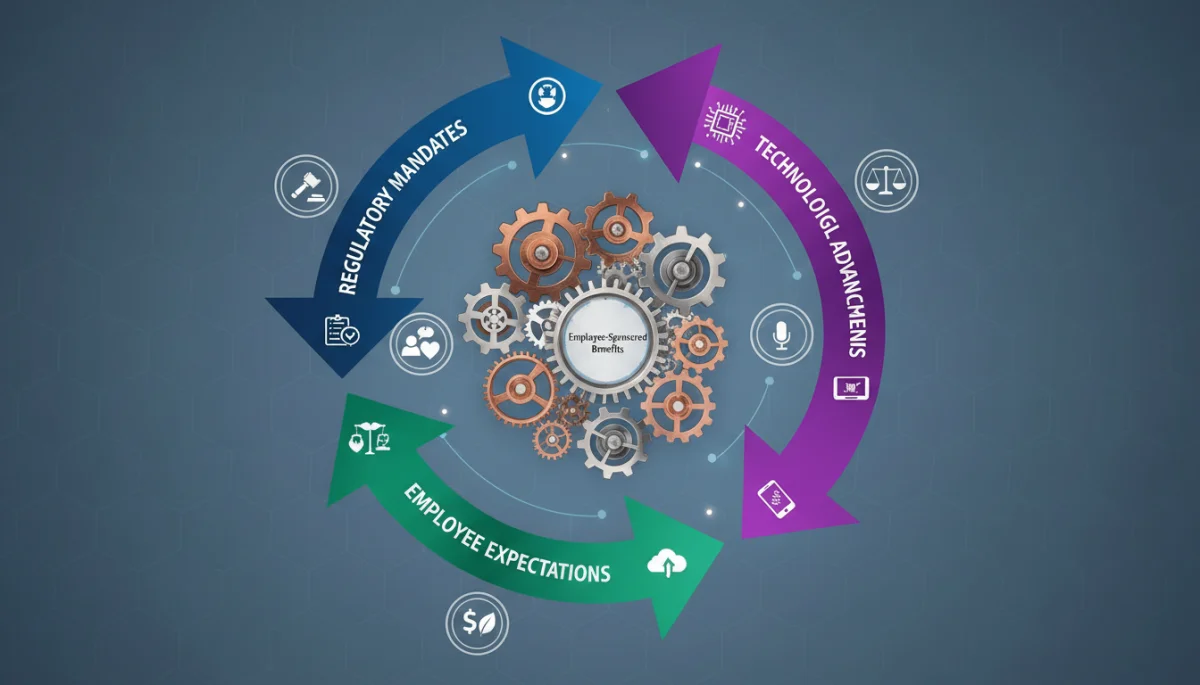
The future of employer-sponsored benefits by 2026 is poised for significant transformation, driven by evolving workforce expectations, technological advancements, and new governmental mandates impacting health, financial wellness, and work-life balance.
Anúncios
Understanding the future of employer-sponsored benefits: trends and mandates expected by 2026 (recent updates) is no longer just a task for HR professionals; it’s a strategic imperative for any organization aiming to attract and retain top talent. As the employment landscape continues its rapid evolution, what should businesses and employees anticipate regarding their benefit packages in the coming years? Let’s explore the shifts and requirements on the horizon.
The Shifting Paradigm of Workforce Expectations
The conventional understanding of employee benefits is undergoing a profound change. Today’s workforce, increasingly diverse and distributed, seeks more than just traditional health insurance and retirement plans. Expectations have broadened to encompass holistic well-being, flexibility, and personalized support, forcing employers to rethink their offerings.
This shift is not merely a preference but a demand, especially from younger generations entering the workforce. They prioritize mental health support, work-life integration, and opportunities for continuous learning, influencing how companies construct their benefit programs to remain competitive.
Personalization and Flexibility at the Forefront
One of the most prominent trends is the move towards highly personalized and flexible benefit packages. A one-size-fits-all approach is becoming obsolete, as employees value the ability to choose benefits that align with their individual life stages and needs.
Anúncios
- Customizable Benefit Platforms: Companies are increasingly adopting platforms that allow employees to select from a menu of benefits, often with a set budget.
- Flexible Work Arrangements: Beyond remote work, this includes compressed workweeks, flextime, and unlimited paid time off, becoming standard offerings.
- Lifestyle Benefits: Offerings such as gym memberships, healthy meal delivery services, and even pet insurance are gaining traction.
The demand for personalization reflects a deeper desire for employers to acknowledge and support employees’ lives outside of work. This holistic view of employee well-being is critical for fostering loyalty and engagement in a competitive talent market. The flexibility offered in these plans can significantly impact an employee’s overall job satisfaction and productivity.
In conclusion, the workforce of 2026 expects benefits that are not only comprehensive but also adaptable to their unique circumstances. Employers who embrace personalization and flexibility will likely see higher retention rates and a more engaged workforce, setting a new standard for employee care.
The Evolving Landscape of Health and Wellness Benefits
Health and wellness benefits continue to be a cornerstone of employer-sponsored packages, but their scope is expanding significantly beyond traditional medical coverage. By 2026, we anticipate a more integrated and proactive approach to employee health, emphasizing preventive care and mental well-being.
The COVID-19 pandemic accelerated many of these changes, highlighting the critical importance of robust health support systems. Employers are now recognizing that a healthy workforce is a productive workforce, leading to investments in broader wellness initiatives.
Mental Health Support Takes Center Stage
Mental health is no longer a peripheral concern but a core component of comprehensive benefits. stigmas are decreasing, and employees actively seek support for stress, anxiety, and other mental health challenges. Employers are responding with enhanced resources.
- Expanded Access to Therapy: Companies are partnering with telehealth providers to offer easier and more discreet access to mental health professionals.
- Employee Assistance Programs (EAPs): EAPs are being revamped to offer more diverse and accessible services, including counseling, financial advising, and legal aid.
- Stress Management Programs: Workshops, mindfulness training, and resilience-building programs are becoming common offerings to combat workplace stress.
Beyond mental well-being, there’s a growing emphasis on preventive care and chronic disease management. Wearable technology and digital health platforms are being integrated into benefit plans, allowing employees to proactively manage their health and employers to offer targeted support. The focus is shifting from treating illness to promoting overall wellness and preventing health issues before they arise.
Ultimately, the future of health and wellness benefits by 2026 will be defined by a holistic, preventive, and accessible approach. Employers who prioritize these aspects will not only improve employee health but also foster a more resilient and engaged workforce, demonstrating their commitment to employee well-being.
Financial Wellness: A Growing Imperative
Financial stress is a significant concern for many employees, impacting their productivity and overall well-being. Recognizing this, employers are increasingly integrating financial wellness programs into their benefit offerings, moving beyond just retirement plans to address immediate and long-term financial stability.
The economic uncertainties of recent years have underscored the need for robust financial support. Employees are looking for guidance on managing debt, saving for major life events, and building a secure financial future, making financial wellness a key component of attractive benefit packages.
Beyond Retirement: Comprehensive Financial Support
While 401(k)s and other retirement savings plans remain crucial, the scope of financial wellness benefits is expanding to cover a wider array of employee financial needs. This includes resources for budgeting, debt management, and even emergency savings.
- Financial Coaching and Counseling: Access to certified financial planners who can provide personalized advice on budgeting, debt reduction, and investment strategies.
- Student Loan Repayment Assistance: A highly valued benefit, particularly for younger employees, where employers contribute to student loan payments.
- Emergency Savings Programs: Initiatives that help employees build an emergency fund, often with employer contributions or matching programs.
Furthermore, employers are exploring innovative ways to support employees through various life stages, such as offering assistance with down payments for homes or providing resources for childcare expenses. The goal is to alleviate financial burdens, allowing employees to focus more effectively on their work and personal lives.
In summary, financial wellness is rapidly becoming an indispensable part of employer-sponsored benefits. By 2026, companies that offer comprehensive financial support, extending beyond traditional retirement plans, will be better positioned to attract and retain talent by demonstrating a genuine commitment to their employees’ economic security.
The Impact of Technology and Data Analytics
Technology is not just changing how benefits are administered; it’s transforming how they are designed, delivered, and perceived. Data analytics, in particular, is empowering employers to create more effective and personalized benefit strategies, moving away from guesswork towards data-driven decisions.
The integration of digital platforms and AI-powered tools is streamlining benefits administration, making it easier for employees to access and understand their options, while providing HR departments with invaluable insights into utilization and employee preferences.
Leveraging AI and Digital Platforms for Better Benefits
Artificial intelligence (AI) and machine learning are playing an increasingly significant role in optimizing benefit programs. These technologies can analyze vast amounts of data to identify trends, predict employee needs, and even suggest personalized benefit recommendations.
- Personalized Benefit Recommendations: AI algorithms can analyze employee demographics, usage patterns, and feedback to suggest the most relevant benefits.
- Streamlined Enrollment Processes: Digital platforms simplify the enrollment process, making it more intuitive and reducing administrative burdens for HR and employees.
- Predictive Analytics for Cost Management: Data analytics helps employers forecast healthcare costs and identify areas where benefit adjustments could lead to better outcomes and cost savings.
Beyond AI, the rise of employee self-service portals and mobile applications is making benefits more accessible than ever. Employees can view their benefits, track usage, and make changes from anywhere at any time, enhancing their overall experience and engagement with their benefit plans.
In conclusion, technology and data analytics are indispensable tools for shaping the future of employer-sponsored benefits. By 2026, organizations that effectively leverage these resources will be able to offer more efficient, personalized, and impactful benefit programs, leading to greater employee satisfaction and organizational success.
Anticipated Regulatory Mandates and Compliance by 2026
The regulatory environment for employer-sponsored benefits is constantly evolving, and 2026 is expected to bring new mandates and compliance requirements that employers must navigate. Staying ahead of these changes is crucial to avoid penalties and ensure the continued provision of compliant and effective benefits.
Governmental bodies are increasingly focused on areas such as healthcare transparency, data privacy, and equitable access to benefits, which will undoubtedly influence future legislation. Employers need to be proactive in understanding and adapting to these forthcoming regulations.
Key Areas of Regulatory Focus
While specific legislation can be unpredictable, several areas are likely to see increased regulatory scrutiny and new mandates by 2026. These include enhanced reporting requirements, expanded coverage mandates, and stricter data protection laws.
- Healthcare Transparency Laws: Expect continued expansion of regulations requiring price transparency for healthcare services and prescription drugs, empowering consumers and potentially impacting plan design.
- Data Privacy and Security: Stricter data protection laws, similar to GDPR or CCPA, could extend to health and benefits data, requiring robust security measures and privacy protocols.
- Family Leave and Caregiver Support: There may be federal or state-level mandates for expanded paid family leave or enhanced support for employees with caregiving responsibilities.
Furthermore, compliance with existing laws like ERISA, ACA, and HIPAA will remain paramount, with potential updates or clarifications to address new benefit structures and digital health solutions. Employers will need to invest in robust compliance frameworks and potentially revise their benefit plan documents and communication strategies.
In conclusion, the regulatory landscape for employer-sponsored benefits 2026 will demand vigilance and adaptability. Proactive monitoring of legislative developments and a strong commitment to compliance will be essential for employers to ensure their benefit programs remain lawful and supportive of their workforce.
The Rise of ESG and Social Responsibility in Benefits
Environmental, Social, and Governance (ESG) factors are no longer confined to investment portfolios; they are increasingly influencing how companies design and communicate their employee benefit offerings. By 2026, social responsibility and ethical considerations will play a more significant role in attracting and retaining talent.
Employees, particularly younger generations, are seeking employers whose values align with their own. This extends to benefit programs, where a company’s commitment to sustainability, diversity, equity, and inclusion (DEI), and community impact can be a powerful differentiator.
Integrating Social Impact into Benefit Design
Employers are recognizing that their benefit packages can reflect and reinforce their broader ESG commitments. This means looking beyond traditional financial and health benefits to include offerings that contribute to a more sustainable and equitable world.
- Sustainable Commuting Benefits: Incentives for using public transport, cycling, or electric vehicles, aligning with environmental goals.
- DEI-Focused Benefits: Ensuring benefits are inclusive and accessible to all employee groups, including support for diverse family structures, gender-affirming care, and neurodiversity.
- Volunteer Time Off (VTO): Paid time off for employees to engage in community service, demonstrating a commitment to social responsibility.
Moreover, transparency in how benefits providers operate and their own ESG practices is becoming important. Employees want to know that the companies managing their benefits also adhere to ethical and sustainable standards. This holistic view of benefits as an extension of corporate values is gaining momentum.
Ultimately, the integration of ESG principles into employer-sponsored benefits by 2026 will be a hallmark of leading organizations. By offering benefits that reflect a strong commitment to social responsibility, companies can enhance their brand reputation, foster a more engaged workforce, and contribute positively to society.
Strategies for Employers to Prepare for 2026
As the benefits landscape continues to evolve towards 2026, employers need to adopt proactive strategies to ensure their offerings remain competitive, compliant, and genuinely valuable to their workforce. A reactive approach will no longer suffice in this dynamic environment.
Preparation involves a multi-faceted approach, encompassing strategic planning, technological investment, and a deep understanding of both employee needs and regulatory changes. Businesses must view their benefit programs as a strategic asset rather than merely a cost center.
Key Actionable Steps for Employers
To effectively navigate the upcoming changes in employer-sponsored benefits 2026, organizations should focus on several critical areas. These steps will help ensure their benefit strategies are robust and future-proof.
- Conduct Regular Needs Assessments: Periodically survey employees to understand their evolving benefit preferences and pain points, ensuring offerings remain relevant.
- Invest in Flexible Benefit Platforms: Implement technology that allows for personalization, easy administration, and clear communication of benefit options.
- Stay Abreast of Regulatory Changes: Partner with legal and HR experts to monitor legislative developments and ensure compliance with new mandates.
- Prioritize Holistic Well-being: Expand benefits to include comprehensive mental health, financial wellness, and work-life balance programs.
- Embrace Data-Driven Decisions: Utilize analytics to evaluate the effectiveness of current benefits and inform future design, ensuring maximum impact and ROI.
Furthermore, fostering a culture of open communication about benefits is essential. Employees need to understand the value of their packages and feel empowered to utilize them. This transparency builds trust and reinforces the employer’s commitment to their well-being.
In conclusion, preparing for the future of employer-sponsored benefits by 2026 requires foresight, flexibility, and a genuine commitment to employee well-being. By adopting these strategic approaches, employers can create benefit programs that not only attract and retain top talent but also contribute to a thriving and resilient organization.
| Key Trend | Brief Description |
|---|---|
| Personalized Benefits | Shift towards flexible, customizable benefit packages tailored to individual employee needs and life stages. |
| Holistic Well-being | Increased focus on mental health, preventive care, and comprehensive financial wellness programs. |
| Tech Integration | Leveraging AI and digital platforms for streamlined administration, personalized recommendations, and data analytics. |
| ESG & Social Impact | Benefits reflecting corporate social responsibility, including sustainable commuting and DEI-focused offerings. |
Frequently Asked Questions About 2026 Benefits
By 2026, expect a significant shift towards personalized benefit packages, a greater emphasis on holistic well-being including mental and financial health, and the widespread integration of technology for benefits administration and customization. Regulatory changes will also push for increased transparency and data privacy in benefit offerings.
Mental health benefits are evolving to become more accessible and comprehensive. This includes expanded telehealth options for therapy, revamped Employee Assistance Programs (EAPs) with diverse services, and proactive stress management programs. Employers are recognizing mental health as a core component of overall employee well-being.
Technology, particularly AI and digital platforms, will revolutionize benefits by enabling personalized recommendations, streamlining enrollment processes, and providing data analytics for cost management. This will make benefits more accessible, efficient, and tailored to individual employee needs, enhancing the overall user experience.
Yes, employers should anticipate new mandates focusing on healthcare transparency, stricter data privacy and security laws for health information, and potential expansions in federal or state-level paid family leave and caregiver support. Staying informed and proactive in compliance will be crucial to avoid penalties and ensure effective benefit delivery.
To attract and retain talent, employers must offer benefits that are personalized, flexible, and comprehensive, addressing holistic well-being. Integrating ESG principles, investing in technology for better administration, and regularly assessing employee needs are key strategies for creating a competitive and appealing benefit package in the evolving market.
Conclusion
The journey towards 2026 in the realm of employer-sponsored benefits is marked by significant transformation, driven by evolving workforce expectations, technological advancements, and a dynamic regulatory landscape. Employers who embrace personalization, prioritize holistic well-being—including mental and financial health—and strategically leverage technology will be best positioned to attract and retain top talent. Staying informed about anticipated mandates and integrating social responsibility into benefit design are not just good practices but essential components of a future-proof benefits strategy. The future demands a proactive, empathetic, and data-driven approach to ensure that benefit programs truly support and empower employees.